Deciding on Roof Repairs or Replacement
Posted on: 2026-02-15
By: Jordan M. Knox
Curious about the signs that your roof needs attention? Understanding these indicators can save you from costly repairs and maintain the integrity of your home.
What You Will Learn
- The lifespan of different roofing materials and how regular maintenance can extend it.
- Key indicators for roof repair, such as missing shingles and small leaks.
- When patching is a viable option versus the need for a full roof replacement.
- Financial aspects to consider, including cost comparisons between repairs and replacements.
- The impact of local climate on roofing decisions and material selections.
- Best practices for roof inspections and knowing when to call a roofing professional.
- The importance of engaging with qualified roofing contractors for informed decision-making.
Roofing Lifespan and Cost Comparison
Understanding the key differences in roofing materials and their associated costs can help you make an informed decision for your home. Below is a comparison of common roofing types, their typical lifespan, and average replacement costs. For a deeper dive into various options, explore our guide on roof types every homeowner should know.
Material Lifespan
Cost-Effectiveness Comparison
Identifying Key Signs for Roof Repairs, Patching, or Replacement
As a seasoned roofing expert, I often see homeowners struggling to understand when their roofs need repairs or even a full replacement. Being proactive can save you significant headaches and money down the line! Let’s explore some key signs that indicate whether your roof needs attention.
Understanding the Life Cycle of Your Roof
The lifespan of your roof greatly depends on the materials used. Here’s a quick breakdown:
- Asphalt Shingles: Typically last 15-30 years.
- Metal Roofing: Can last 40-70 years.
- Clay or Concrete Tiles: Have a lifespan of over 50 years.
Regular maintenance is essential regardless of material. Have you had your roof inspected recently? Identifying potential issues early can extend its life significantly!
Common Indicators for Roof Repair
Minor Shingle Damage and What It Means
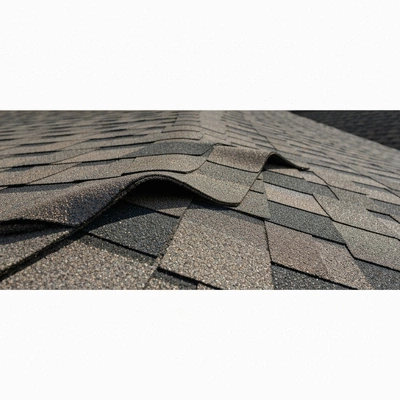
Missing or damaged shingles are often the first signs that your roof needs repair. These issues can lead to more significant problems, like water leaks. Look for:
- Missing shingles after a storm.
- Shingles that are cracked or curling.
- Granule loss in your gutters.
Addressing these minor issues promptly can prevent costly repairs down the road. Don't wait until it’s too late!
Recognizing Small Leaks Early
Small leaks can be tricky because they often go unnoticed until they cause serious damage. Keep an eye out for:
- Water stains on your ceilings or walls.
- Musty odors in your attic or near your roof.
- Visible mold growth.
Identifying these signs early is crucial! Prompt repairs can save you from extensive damage and mold remediation costs, ensuring your home stays safe and healthy. For more detailed information on preventing leaks, see our article on seasonal roof maintenance for homeowners.
When Patching May Be the Best Option
Evaluating Granule Loss
Granule loss on asphalt shingles is a common issue that can indicate a need for patching. To assess granule loss:
- Check your gutters for granules.
- Look for bald spots on shingles.
- Consider the age of your roof.
Patching may be a viable option if the damage is minimal and localized. However, be sure to consult a professional if you’re unsure!
Flashing Damage: Repair or Replace?
Flashing plays a critical role in keeping your roof waterproof. If you notice:
- Cracked or rusted flashing.
- Leaks around chimneys or vents.
- Water stains on the interior near flashing points.
In such cases, deciding whether to repair or replace the flashing can be tricky. Always consult with a roofing expert to determine the best course of action. A small repair now can prevent larger issues later!
Clear Signs Your Roof Needs Complete Replacement
Understanding Curling and Bald Shingles
Curling or bald shingles are clear indicators that your roof is nearing the end of its lifespan. Here’s what to look for:
- Shingles that are curling at the edges.
- Bald spots where granules have worn away.
- Visible deterioration of shingles.
If you’re seeing these signs, it might be time to consider a full roof replacement to protect your home. Don’t ignore these signs!
Frequent Leaks and Structural Issues
If you find yourself dealing with ongoing leaks or sagging areas in your roof, it’s crucial to take action. Frequent leaks often indicate deeper structural issues that may jeopardize your home's integrity. Be aware of:
- Water damage to your interior walls or ceilings.
- Visible sagging between rafters.
- Frequent repairs that don’t solve the problem.
In cases like these, a complete replacement might be the best solution. Don't hesitate to reach out for an inspection!
The Financial Aspect: Repair vs. Replacement Costs
Evaluating Cost-Effectiveness
When it comes to roofing, understanding the financial implications is key. Here’s a quick cost comparison:
- Minor Repairs: Typically range from $150 to $1,000.
- Patching: Can cost between $300 and $1,500.
- Full Replacement: Averages between $5,000 and $10,000, depending on materials.
Consider your long-term investment! Sometimes, spending more upfront on a replacement can prevent ongoing repair costs. To understand this better, explore our guide on understanding roof maintenance costs.
Potential Return on Investment for Homeowners
When evaluating roofing decisions, consider the potential return on investment. Factors to keep in mind include:
- Increased property value with a new roof.
- Insurance claims and coverage for roof damage.
- Energy efficiency improvements with modern materials.
Understanding these aspects can help you make informed choices about your roofing needs. Knowledge is power, and it can pay off!
Weather Considerations and Their Impact on Roof Integrity
How Local Climate Affects Roofing Decisions
Your local climate significantly influences your roofing choices. For instance, homeowners in areas prone to heavy snow should consider materials that can withstand the weight, while those in hot climates might prioritize heat-reflective materials. Key points to consider include:
- Local weather patterns and storm frequency.
- Temperature fluctuations and their impact on materials.
- Humidity levels and their effects on durability.
Choosing the right materials based on your climate can enhance your roof's longevity and performance.
Understanding Ice Dams and Their Impact on Roofs
Ice dams can cause significant damage to your roofing structure. They form when heat escapes from your home, melting snow that then refreezes at the roof's edge. Here’s how to identify potential issues:
- Icicles hanging from eaves.
- Water stains or leaks in your home.
- Warm spots on your roof during cold weather.
To prevent ice dams, ensure proper insulation and ventilation in your attic. This not only protects your roof but also enhances your overall energy efficiency!
Best Practices for Roof Inspections
When to Call a Roofing Professional
Knowing when to call a professional is crucial. I recommend contacting a roofing expert if you notice:
- Signs of significant water damage.
- Major shingle issues or granule loss.
- Repeated leaks or ongoing structural problems.
Getting a professional inspection can provide peace of mind and ensure that your roof is in top shape!
DIY Risks: What Homeowners Should Know
While DIY projects can be rewarding, roofing repairs are best left to professionals. Consider the risks involved:
- Injury from falls or improper handling of materials.
- Potential for incorrect repairs that lead to bigger issues.
- Liability for accidents occurring during repairs.
It’s always better to invest in a professional's expertise for roofing tasks. Your safety and your home's integrity are worth it!
Essential Roof Inspection Checklist for Homeowners
To help you stay on top of your roof's condition, here’s a handy checklist to use during inspections:
- Inspect for missing or damaged shingles.
- Check for any signs of leaks in your attic or ceilings.
- Examine gutters for granules and debris.
- Look at flashing around vents and chimneys for damage.
- Ensure no trees or branches are close to the roof.
This simple checklist can guide you in maintaining your roof and identifying potential issues long before they become serious. Taking these proactive steps can save you time and money!
Pro Tip
Did you know? Regular maintenance can add years to your roof's lifespan. Schedule annual inspections with a qualified professional to catch minor issues before they escalate into costly repairs. A little proactive care goes a long way in preserving the integrity of your roof!
Frequently Asked Questions (FAQs) About Roof Repair and Replacement
What are the most common signs that my roof needs repair?
The most common signs include missing, cracked, or curling shingles, granule loss in gutters, and small water stains on ceilings or walls.
How long do different roofing materials typically last?
Asphalt shingles generally last 15-30 years, metal roofing 40-70 years, and clay or concrete tiles can last 50+ years.
When is patching a viable option instead of a full replacement?
Patching is best for minimal, localized damage, such as small areas of granule loss or a few missing shingles. For widespread issues, a full replacement is usually more cost-effective long-term.
What are the key indicators for a full roof replacement?
Clear indicators for replacement include widespread curling or bald shingles, frequent leaks that don't resolve with minor repairs, and visible structural sagging of the roof.
How does local climate affect my roofing decisions?
Local climate influences material choices; for example, areas with heavy snow need strong materials, while hot climates benefit from heat-reflective options. Climate also impacts the frequency of maintenance and potential for issues like ice dams.
Is it safe to perform roof repairs myself?
While minor maintenance like gutter cleaning can be DIY, roofing repairs are best left to professionals due to safety risks (falls) and the potential for incorrect repairs leading to larger issues. Professional expertise ensures your home's safety and integrity.
Making Informed Decisions About Your Roof
As a homeowner, understanding the key signs that indicate when to repair, patch, or replace your roof is crucial. By recognizing these indicators, you can avoid costly surprises down the line. Here’s a quick recap of what to watch for:
- Missing or damaged shingles
- Small leaks or water stains on ceilings
- Curling or bald shingles
- Frequent leaks and structural sagging
Keeping an eye on these signs can help you make informed decisions about your roofing needs. Remember, the sooner you act, the better your chances of maintaining the integrity of your home!
Engaging with Roofing Professionals
When it comes to roofing decisions, engaging with qualified roofing contractors can make all the difference. They bring experience and expertise that can guide you through assessments and provide tailored advice based on your specific situation. Don't hesitate to reach out to professionals for their insights—they're here to help!
Consider looking for contractors who:
- Have good reviews and references
- Provide detailed estimates
- Are licensed and insured
Finding the right contractor can alleviate stress and ensure your roof is in good hands. Trust me; it’s worth taking the time to choose wisely!
Understanding Roofing Materials and Their Impact on Longevity
Different roofing materials come with varying lifespans and maintenance needs, so it's important to understand what suits your home best. For example:
- Asphalt Shingles: Last about 20-30 years; require regular inspections.
- Metal Roofing: Can last 50 years or more; excellent durability with minimal upkeep.
- Tile Roofing: Lifespan of 50+ years; requires professional installation and maintenance.
Each material has its own set of pros and cons, impacting both longevity and costs. Take time to evaluate what's best for your home’s specific needs!
Taking Action: Next Steps for Homeowners
I encourage you to reach out for a free roof inspection or consultation. At Roofing Explained, we believe in empowering homeowners with knowledge and resources. Whether you're looking for an assessment or just want to learn more about your options, we’re here to help!
Consider checking out our website for detailed guides and resources tailored to your roofing journey.
Resources for Homeowners
To assist you further, here are some valuable resources you can explore:
These tools can help keep you informed and prepared as you navigate your roofing decisions.
Exploring Roof Financing Options for Homeowners
Roof repairs and replacements can be significant investments. Understanding your financing options is essential. Here are a few possibilities to consider:
- Home Equity Loans: Leverage your home’s equity for larger projects.
- Personal Loans: Quick access to funds without using your home as collateral.
- Roofing Company Financing: Some contractors offer in-house financing plans to fit your budget.
Exploring these options can ease the financial burden and help you secure a safe and sound roof over your head.
Recap of Key Points
Here is a quick recap of the important points discussed in the article:
- Understand the lifespan of your roof based on materials: Asphalt shingles (15-30 years), Metal roofing (40-70 years), and Clay/Concrete tiles (50+ years).
- Look for common indicators for roof repairs such as missing shingles, small leaks, and granule loss.
- Recognize signs for complete roof replacement, including curling or bald shingles and frequent leaks.
- Evaluate the financial aspects of repair versus replacement to make informed decisions.
- Consider your local climate when choosing roofing materials to enhance longevity and performance.
- Conduct regular inspections and utilize a checklist for maintaining your roof’s condition.
- Engage with roofing professionals for informed assessments and avoid DIY risks.
 Are you prepared to navigate the complexities of roofing insurance claims after a storm? With the ri
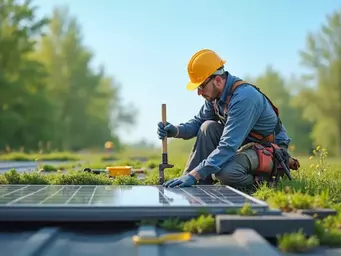 As the demand for sustainable living grows, so does the importance of eco-friendly roofing solutions
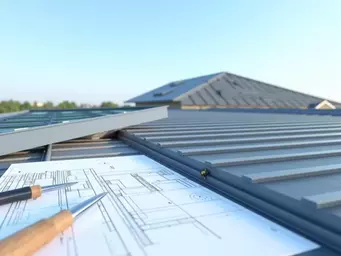 The future of roofing is not just about protection; it's about innovation and sustainability. How ca

