Eco-Friendly Roofing Innovations Explained
Posted on: 2026-02-24
By: Jordan M. Knox
As the demand for sustainable living grows, so does the importance of eco-friendly roofing solutions. Are you aware of how your roofing choices can impact the environment? Discover innovative materials and practices that not only enhance your home but also contribute to a healthier planet.
What You Will Learn
- Eco-friendly roofing materials, such as metal, solar shingles, and recycled shingles, are both durable and sustainable.
- The shift towards sustainability in roofing is driven by regulatory changes, consumer demand, and long-term cost benefits.
- Green roofing systems can improve urban environments by enhancing air quality and managing stormwater runoff.
- Selecting a qualified installer is crucial; check their credentials, ask for references, and review their portfolio.
- Green certifications validate the sustainability of roofing materials and can enhance your property’s resale value.
- Engaging in community initiatives and researching eco-friendly options helps promote sustainability in roofing choices.
Key Pillars of Eco-Friendly Roofing
The article highlights four primary eco-friendly roofing materials and three key drivers behind the shift towards sustainable practices. Below is a visual representation of these elements.
Eco-Friendly Materials
- ✓Metal Roofing
- ✓Solar Shingles
- ✓Recycled Shingles
- ✓Green Roofs
Drivers for Sustainability Shift
- ►Regulatory Changes
- ►Consumer Demand
- ►Cost Benefits (Long-term Savings)
Expert Advice: Selecting Materials
- ★Material Longevity
- ★Energy Efficiency
- ★Local Climate Suitability
Expert Advice: Selecting Installers
- ✅Check Credentials
- ✅Ask for References
- ✅Review Portfolio
Importance of Green Certifications
- ✔Credibility & Standards
- ✔Potential Incentives
- ✔Enhanced Resale Value
Actionable Steps for Eco-Roofing
- 1. Identify needs
- 2. Research materials
- 3. Reach out to contractors
- 4. Get multiple quotes
Understanding Eco-Friendly Roofing Innovations
In today's world, the call for eco-friendly roofing solutions is louder than ever. As homeowners, contractors, and property managers become more aware of environmental issues, the demand for sustainable options in roofing is on the rise. Eco-friendly roofing materials not only help reduce our carbon footprint but also promote energy efficiency and sustainability. So, what exactly are these innovative materials?
What Are Eco-Friendly Roofing Materials?
Eco-friendly roofing materials are designed to minimize environmental impact while ensuring durability and performance. Some of the most popular options include:
- Metal Roofing: Highly durable and recyclable, metal roofs reflect solar heat, which can lead to energy savings.
- Solar Shingles: These shingles generate power while serving as traditional roofing, providing a dual function.
- Recycled Shingles: Made from post-consumer materials, these shingles offer a sustainable alternative to traditional asphalt.
- Green Roofs: Incorporating vegetation promotes air quality and insulates buildings, helping with energy efficiency.
By opting for these materials, you can contribute to a healthier planet while maintaining the integrity of your home. It’s exciting to see how these innovations can transform the roofing landscape!
The Shift Towards Sustainability in Roofing
Over the past few years, there has been a significant shift towards sustainable practices in the roofing industry. This change is driven by several factors:
- Regulatory Changes: Government incentives and regulations encourage the use of green materials and energy-efficient designs.
- Consumer Demand: More homeowners are prioritizing sustainability, prompting manufacturers to innovate and offer eco-friendly solutions.
- Cost Benefits: Long-term savings generated from energy-efficient roofs make them an attractive investment.
As someone deeply passionate about roofing, I’ve seen firsthand how this shift is not just a trend, but a necessary evolution towards a more sustainable future. It’s inspiring to witness the growing community of eco-conscious homeowners and contractors!
Exploring Green Roofing Systems for Urban Areas
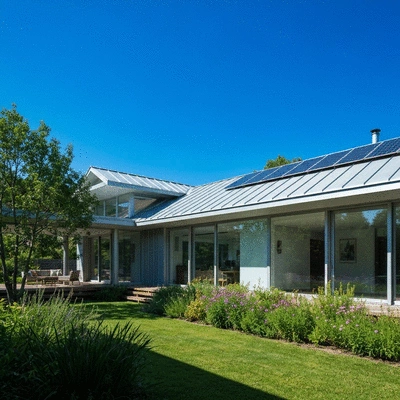
Urban environments are particularly well-suited for green roofing systems. These systems can help mitigate the urban heat island effect, improve air quality, and manage stormwater runoff. Some popular options include:
- Vegetative Roofs: These living roofs provide insulation and reduce energy costs, while also promoting biodiversity.
- Cool Roofs: Designed to reflect more sunlight and absorb less heat, these roofs help lower building temperatures.
- Rainwater Harvesting Systems: Integrating these systems can help manage stormwater and provide irrigation for the rooftop garden.
The integration of these solutions not only benefits the environment but also enhances the aesthetic appeal of urban spaces. As a roofing expert, I believe implementing green roofing systems in cities can significantly contribute to sustainability initiatives while improving quality of life!
Pro Tip
When considering eco-friendly roofing options, be sure to evaluate the lifecycle of the materials. Look for products that not only reduce energy consumption but also have a low environmental impact from production to disposal. This holistic approach can lead to both environmental benefits and long-term cost savings.
Summarizing Key Insights from Experts
When it comes to choosing roofing materials, homeowners should prioritize factors like durability, energy efficiency, and environmental impact. Have you ever felt overwhelmed by the choices? Here are some key considerations to keep in mind:
- Material Longevity: Opt for materials that promise longevity to avoid frequent replacements.
- Energy Efficiency: Look for roofing options that can help reduce your energy bills, like reflective materials.
- Local Climate Suitability: Choose materials that are designed to withstand your region's weather conditions.
These factors are essential for ensuring your roof not only looks good but also performs well over time. As someone who's spent over a decade in the roofing industry, I've seen firsthand how the right choices can lead to significant long-term savings.
Advice from Experts: Selecting Qualified Installers
Selecting the right installer is just as crucial as choosing the materials! A qualified contractor can make or break your roofing project. Here are some tips to help you find the best:
- Check Credentials: Ensure they are licensed and insured to protect yourself from potential liabilities.
- Ask for References: Speak to previous clients to gauge their satisfaction and the quality of work.
- Review Portfolio: Look at their past projects to see if their style aligns with your vision.
In my experience, having a reliable contractor can make a world of difference in the execution of your roofing project. Engaging with someone who understands eco-friendly options can also provide you with better insights on sustainable practices.
The Importance of Green Certifications in Roofing Choices
Green certifications are increasingly important in today's market, especially if you're aiming for an eco-friendly roof. They not only validate the sustainability of the materials used but also enhance the value of your property. Here’s why they matter:
- Credibility: Certifications from recognized organizations show that materials meet specific environmental standards.
- Potential Incentives: Some regions offer tax breaks or incentives for using certified materials.
- Enhanced Resale Value: Homes with green certifications can attract environmentally conscious buyers.
As you consider your roofing options, keep an eye out for those certifications to ensure you’re making responsible choices for both your home and the environment!
Encouraging Sustainable Choices in Roofing
We all have a role to play in promoting sustainability, and your roofing choices can significantly impact the environment. Are you ready to take action? Here’s how you can contribute:
- Research Eco-Friendly Options: Familiarize yourself with materials that promote energy efficiency and sustainability.
- Engage Local Contractors: Support local businesses that prioritize eco-friendly practices in their work.
- Participate in Community Initiatives: Join local efforts to promote green roofing and sustainability.
By making educated decisions, you can help create a ripple effect in your community. At Roofing Explained, we’re passionate about equipping homeowners like you with the knowledge needed to make impactful choices!
Get Started: Finding the Right Materials and Contractors for Your Project
So, where do you begin? Here are some actionable steps to help you kick off your eco-friendly roofing project:
- Identify your roofing needs based on your home’s location and current condition.
- Research and shortlist eco-friendly materials that fit your budget and preferences.
- Reach out to qualified contractors who specialize in sustainable roofing practices.
- Get multiple quotes and compare them for transparency in pricing and services.
Starting your eco-friendly roofing journey might feel daunting, but with the right approach, it can be both rewarding and exciting! Don't hesitate to reach out for guidance; I’m here to help you navigate through the options.
Understanding Environmental Impact and Sustainable Practices in Roofing
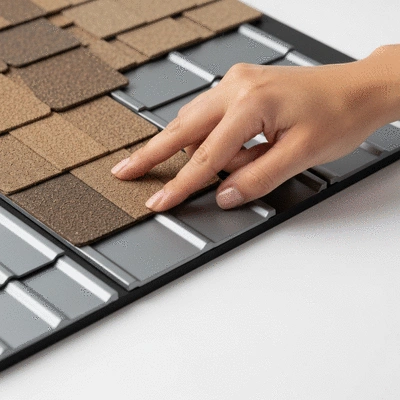
Understanding the environmental impact of roofing materials is crucial for making informed choices. The right roofing decisions can contribute to lower energy use and minimize waste. Consider these sustainable practices:
- Recycling Old Materials: Reusing roofing materials can significantly reduce landfill waste.
- Choosing Energy-Efficient Options: Consider materials that offer superior insulation, helping to lower energy consumption.
- Implementing Green Roofs: These systems utilize living plants to enhance insulation and reduce heat absorption.
As you embark on your roofing project, keep these practices in mind. Together, we can contribute to a more sustainable future, one roof at a time!
Recap of Key Points
Here is a quick recap of the important points discussed in the article:
- Eco-Friendly Materials: Options like metal roofing, solar shingles, recycled shingles, and green roofs help reduce environmental impact.
- Sustainability Shift: Regulatory changes, consumer demand, and long-term cost benefits are driving the roofing industry's move towards sustainable practices.
- Urban Green Roofing: Systems such as vegetative roofs, cool roofs, and rainwater harvesting can enhance urban environments and promote sustainability.
- Expert Advice: Always check installers' credentials, ask for references, and review portfolios to ensure quality work.
- Green Certifications Matter: They validate the sustainability of materials, provide potential incentives, and enhance property value.
- Take Action: Research eco-friendly options, support local contractors, and engage in community sustainability initiatives.
Frequently Asked Questions (FAQs)
Q1: What are the main types of eco-friendly roofing materials?
A1: The main types include metal roofing (durable and recyclable), solar shingles (generate power), recycled shingles (made from post-consumer materials), and green roofs (incorporate vegetation for insulation and air quality).
Q2: Why is there a shift towards sustainable roofing practices?
A2: This shift is driven by regulatory changes and government incentives, increasing consumer demand for sustainable options, and the long-term cost benefits from energy-efficient roofs.
Q3: How do green roofing systems benefit urban areas?
A3: Green roofing systems, including vegetative roofs and cool roofs, help mitigate the urban heat island effect, improve air quality, manage stormwater runoff, and enhance biodiversity.
Q4: What should I look for when selecting a qualified installer for an eco-friendly roof?
A4: Always check their credentials (ensure they are licensed and insured), ask for references from previous clients, and review their portfolio to assess the quality and style of their past projects.
Q5: What is the importance of green certifications in roofing?
A5: Green certifications validate that materials meet specific environmental standards, offer potential incentives like tax breaks, and can enhance the resale value of your property by attracting environmentally conscious buyers.
As you embark on your roofing project, remember that choosing the right materials and understanding their impact is crucial for both your home and the planet.
 Are you prepared to navigate the complexities of roofing insurance claims after a storm? With the ri
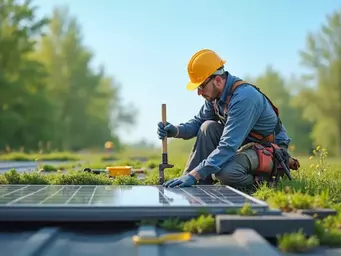 As the demand for sustainable living grows, so does the importance of eco-friendly roofing solutions
 The future of roofing is not just about protection; it's about innovation and sustainability. How ca

