Are you prepared to navigate the complexities of roofing insurance claims after a storm? With the right insights, you can tackle the process confidently and efficiently. Here's what you will learn to help you take control.
What You Will Learn
Understanding the key elements of your homeowners insurance policy, including coverage limits, deductibles, and exclusions.
Identifying common types of storm damage to your roof, such as hail, wind, and debris impact.
Exploring essential insurance endorsements like wind, hail, and flood coverage that can enhance your policy.
Step-by-step guidance on effectively filing your roofing insurance claim to ensure a smoother process.
The importance of utilizing expert resources, including certified contractors and public adjusters, to support your claim.
Proactive measures for homeowners to prepare for potential storm damage and streamline future claims.
Key Elements of Roofing Insurance Claims
Understanding the core components of your policy and potential damages is crucial for a smooth claims process. For a comprehensive overview of maintaining your roof, check out our roof maintenance inspection guide.
Understanding Your Policy
Coverage Limits
Deductibles
Exclusions
Types of Storm Damage
Hail Damage
Wind Damage
Fallen Debris
Insurance Endorsements
Wind Coverage
Hail Coverage
Flood Endorsements
Expert Resources for Claims
Certified Roofing Contractors
Public Adjusters
Legal Professionals
Navigating the Roofing Insurance Claims Process After Storm Damage
Storm damage can be a major headache for homeowners, especially when it's time to file insurance claims. Are you prepared to navigate the roofing insurance claims process? At Roofing Explained, I understand how overwhelming this can feel, but with the right information, you can tackle it with confidence! Let’s get started.
Understanding Your Homeowners Insurance Policy
Your homeowners insurance policy is your first line of defense against storm damage, but do you really know what’s covered? It's essential to familiarize yourself with key elements of your policy, especially regarding storm damage. Here are some aspects to consider:
Coverage Limits: Know the maximum amount your insurer will pay for roof repairs or replacement.
Deductibles: Understand how much you will have to pay out of pocket before your coverage kicks in.
Exclusions: Be aware of any specific types of storm damage that might not be covered, such as flood damage.
Taking the time to review these elements can help you feel equipped if you need to file a claim. Remember, clarity about your policy will empower you during this process! For more insights on weathering effects on your roof, read our article on weather's effects on your roof.
Identifying Types of Storm Damage to Your Roof
So, how can you be sure your roof has suffered storm damage? Recognizing the signs early can make all the difference when preparing your claim. Here are some common indicators:
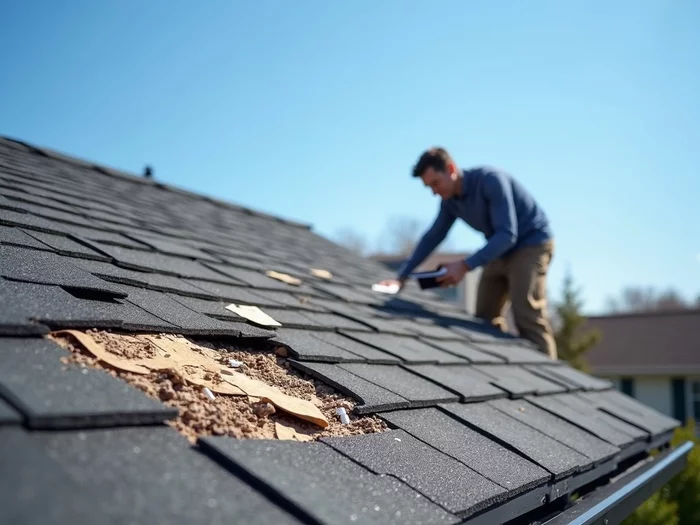
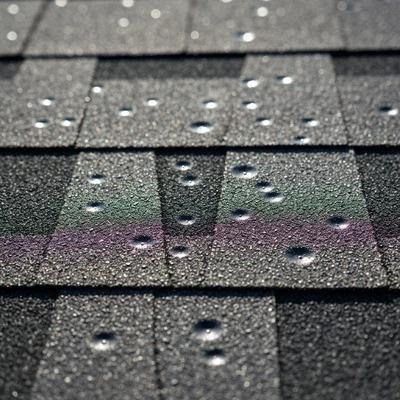
Hail Damage: Look for dents or bruises on shingles, which can weaken their protective barrier.
Wind Damage: Check for missing shingles or those that are lifted, as strong winds can easily displace them.
Fallen Debris: Inspect for any branches or other objects that may have struck your roof, causing visible damage.
By being proactive and inspecting your roof after a storm, you can gather evidence needed for your claim. I always recommend having a checklist handy to ensure you don’t miss anything important!
Exploring Insurance Coverage for Storm-Related Damage
When it comes to storm-related damage, not all insurance policies are created equal. Understanding how different endorsements can affect your coverage is crucial. Here are some key endorsements to consider:
Wind Coverage: This can provide additional protection specifically for damage caused by high winds.
Hail Coverage: Essential in areas prone to severe hailstorms, offering extra reassurance for roof repairs.
Flood Endorsements: If your area is at risk of flooding, this can be a vital addition to your policy.
Having a clear grasp of these endorsements helps you make informed decisions about your insurance. It can also guide you when discussing options with your agent.
Step-by-Step Guide to Filing Your Roofing Insurance Claim
Pro Tip
Before filing your claim, take the time to document all damage thoroughly. Use your smartphone to capture clear photos of the affected areas and make notes on any specific issues you observe. This evidence can be invaluable when communicating with your insurance provider and can help ensure you receive the coverage you deserve!
Frequently Asked Questions About Roofing Insurance Claims
FAQs
You should familiarize yourself with coverage limits (the maximum payout), deductibles (your out-of-pocket expense), and exclusions (types of damage not covered, like certain flood damages).
Look for signs such as dents or bruises on shingles (hail damage), missing or lifted shingles (wind damage), and visible damage from fallen branches or debris.
Endorsements are additional coverages that enhance your policy. Key ones for storm damage include wind coverage, hail coverage, and flood endorsements, which provide specific protection beyond standard policies.
Begin by thoroughly documenting all damage with photos and notes. Then, contact your insurance provider promptly to initiate the claim, and consider consulting with a certified roofing contractor for an assessment.
Certified roofing contractors can provide accurate damage assessments and repair estimates. Public adjusters can assist in negotiating with your insurance company, and legal professionals can help if your claim is denied.
Conclusion and Next Steps for Homeowners
As a homeowner, taking proactive steps after experiencing storm damage can make all the difference. At Roofing Explained, I understand the importance of preparing for future incidents. Creating a storm damage preparedness plan can help mitigate potential damage and streamline your insurance claims process. So, what does this entail?
Conduct pre-storm assessments of your roof and property.
Compile a checklist of critical items to inspect before storms hit.
Document any potential vulnerabilities, such as loose shingles or overhanging branches.
Establish a communication plan with your insurance provider.
By addressing these elements ahead of time, you’ll be in a much better position to handle any storm-related roofing issues that come your way. Remember, being prepared not only saves you from stress but also helps in maximizing your claim outcomes!
Utilizing Expert Resources for a Smooth Claims Experience
Don’t hesitate to lean on professionals during the claims process. Working with experts can lead to smoother outcomes and provide peace of mind. Here are some resources to consider:
Certified roofing contractors: They can help assess damage accurately and provide repair estimates.
Public adjusters: They assist in negotiating your claim with the insurance company.
Legal professionals: They can guide you through the appeals process if your claim is denied.
Utilizing these resources can significantly enhance your claims experience and ensure that you are treated fairly by your insurer. I encourage you to reach out and explore these options as you navigate your storm damage claims. For more guidance on choosing the right professional, consider our article on selecting your roofing contractor wisely.
Call to Action: Schedule Your Roof Inspection Today
Are you ready to take the next step? I invite you to contact a certified roofing contractor for a comprehensive roof inspection. This proactive measure will not only help you identify existing issues but also prepare you for any storm damage claims that may arise in the future. Don’t wait—schedule your inspection today to keep your home safe and secure! You can also learn more about roof inspection with this simple guide.
Recap of Key Points
Here is a quick recap of the important points discussed in the article:
Understand Your Policy: Familiarize yourself with coverage limits, deductibles, and exclusions related to storm damage.
Identify Storm Damage: Look for signs of hail, wind damage, and fallen debris to assess the condition of your roof.
Explore Key Endorsements: Consider endorsements such as wind, hail, and flood coverage to enhance your insurance protection.
Prepare for Claims: Conduct pre-storm assessments, create a checklist, and document vulnerabilities to streamline the claims process.
Utilize Expert Resources: Work with certified contractors, public adjusters, and legal professionals to navigate the claims process effectively.
Your go-to resource for demystifying all aspects of roofing for homeowners, contractors, and property managers. We help you with expert insights, step-by-step guides, and cost comparisons for informed decisions.
Trusted by the roofing community, our mission is to provide reliable, easy-to-follow insights backed by over a decade of industry expertise and the latest industry standards.
Tip — Have you ever wondered what to look for during roof inspections? Inspecting your roof twice a year can save you from costly repairs down the line.
Tip — Choosing the right roofing material can feel overwhelming. Consider what matters most to you—cost, longevity, or environmental impact—and weigh these factors carefully.
Tip — Ever felt confused about what a roof replacement involves? Understanding the process, from estimates to material selection, can ease your worries.
Tip — Don't forget to factor in local building codes and climate! Engage with your contractor about these details to ensure your roof stands strong against nature's challenges.
Tip — Regular maintenance is key. Are your gutters clear? Are there any missing shingles? Small steps make a significant difference in prolonging your roof’s lifespan.