Minor Shingle Repairs
$150 - $400
Get Jordan M. Knox's latest insights on roofing materials, maintenance, and expert tips delivered directly to your inbox. Stay ahead of the curve!
Posted on: 2025-12-07
By: Jordan M. Knox
Regular roof inspections are often overlooked, yet they are vital for maintaining the integrity and value of your home. Did you know that neglecting these checks can lead to significant repair costs? Understanding the importance of roof inspections can save homeowners money and stress in the long run.
This visual summarizes key aspects of roof inspections, including typical repair costs, optimal timing, and common signs of damage.
$150 - $400
$300 - $1,500
$5,000 - $10,000
$1,000 - $5,000
Spring: Check for winter damage; prepare for rain.
Fall: Identify issues before winter weather.
Missing or damaged shingles.
Dark streaks or moss growth.
Leaks or water stains inside home.
Damaged flashing around chimneys/vents.
Regular roof inspections are crucial for homeowners who want to protect their investment and ensure the longevity of their roofs. Have you ever thought about what could go wrong if you neglect this important task? By taking the time to inspect your roof regularly, you can catch potential issues before they turn into costly repairs.
Roof inspections provide peace of mind, knowing that your roof is doing its job. From weatherproofing your home to contributing to its overall value, maintaining a healthy roof is essential. Remember, a well-maintained roof not only enhances curb appeal but also shields your home from the elements!
By prioritizing regular roof inspections, homeowners like you can enjoy these numerous benefits. Remember, it’s often easier to address minor problems than to deal with extensive damage later! You can learn more about effective roof maintenance strategies in our detailed guide.
Now, let’s discuss some signs that may indicate it’s time to schedule an inspection. Have you noticed any of the following?
If you spot any of these signs, it’s essential to take action promptly. Ignoring these indicators can lead to more severe issues, impacting not just your roof but your entire home!
Do you know that roof damage can significantly impact your home’s value? A compromised roof can lead to lower appraisals and reduce your home’s marketability. If you plan to sell your home, having a well-maintained roof can be a game-changer.
Additionally, insurance companies closely monitor the condition of your roof. A history of regular inspections and maintenance can help during claims processing, ensuring you receive the coverage you need. At Roofing Explained, we emphasize the importance of staying informed about your roof’s condition. Remember, knowledge is power!
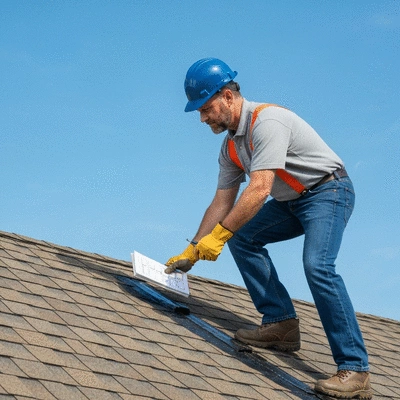
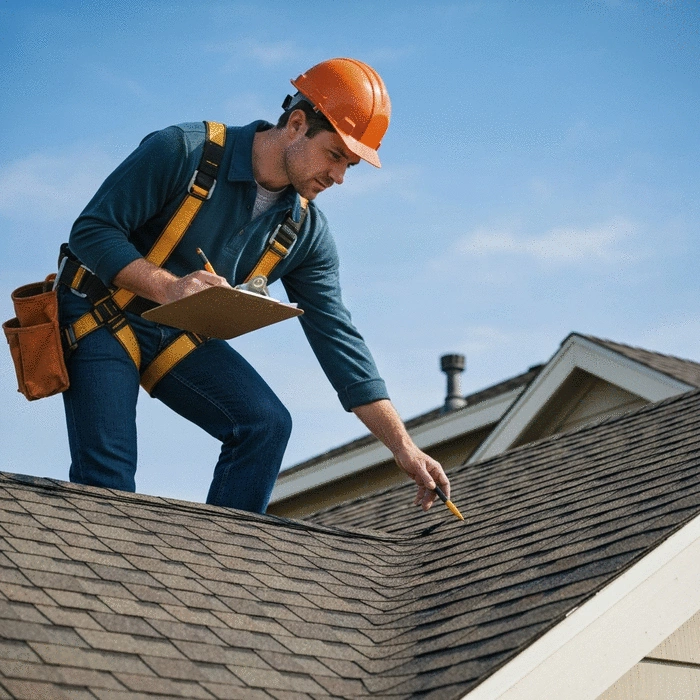
Before diving into the inspection process, let’s talk about how to prepare effectively. Safety should always be your top priority. Have you gathered the right gear and tools for this task?
Being adequately prepared will make your inspection smoother and more efficient. So, let’s ensure you’re equipped for success!
By wearing the right safety gear, you can conduct your inspection with confidence. Remember, safety first!
Having the right tools is essential for a thorough roof inspection. Here are some you should consider:
With these tools, you’ll be ready to tackle your roof inspection like a pro! Being well-prepared enhances your efficiency and effectiveness during the process. For more information on choosing roofing tools for DIY repair, check out our guide.
One of the best ways to ensure you don’t miss anything during your roof inspection is to create a detailed checklist. Here’s a simple template to help you get started:
Having a checklist will help you stay organized and focused throughout the inspection. Don’t forget to take notes as you go along—you might find some surprises!
Did you know? Scheduling your roof inspections during the ideal seasons—spring and fall—can significantly enhance your roof's longevity? By aligning your inspections with seasonal changes, you can catch and address potential issues before they worsen. This proactive approach not only saves you money but also ensures your roof remains in top condition throughout the year!
After conducting a thorough roof inspection, you might be wondering what to do next. Making informed decisions about repair needs and costs is crucial for protecting your home. I've seen countless homeowners struggle with this, so let’s break it down step by step!
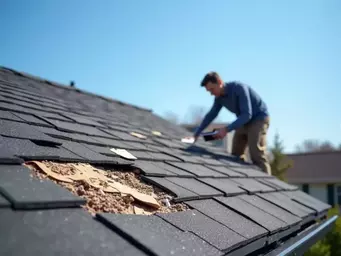
Understanding the extent of any damage found during your inspection will help you prioritize repairs. You might encounter issues such as missing shingles, leaks, or even more serious structural concerns. Each of these will have different implications on costs and timelines, so knowing what you're facing is the first step towards addressing it.
Once you have a clear picture of the repairs needed, it’s time to look at costs. Here are some common repair issues you might face and their typical cost ranges:
These estimates can vary greatly depending on the materials used and the severity of the damage. Always remember to get multiple quotes from different contractors to ensure you’re not missing out on a better deal!
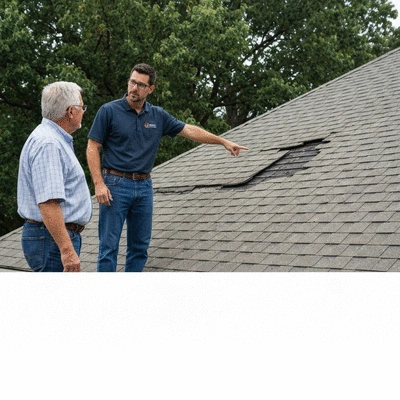
Effective communication with your roofing contractor can make all the difference in your repair experience. Here are some tips to keep in mind:
Sharing your inspection findings can help the contractor address your concerns more effectively. This way, both parties can work towards a common goal: restoring your roof to its optimal condition.
Deciding whether to repair or replace your roof can be daunting. Here are some key factors to consider:
Weighing these considerations carefully will help you make a decision that best suits your needs and protects your investment!
Timing can be everything when it comes to roof inspections! Understanding the optimal seasons and weather factors will help you keep your roof in great shape.
Regular inspections not only identify issues early but also align your maintenance efforts with the changing seasons. Here’s what you should keep in mind.
By planning inspections during these seasons, you can address any problems while they're still manageable!
Be aware of how weather conditions can impact your roof's health. For example:
Keeping an eye on these factors throughout the year will help you catch potential issues before they escalate! You can also find valuable insights on weather's effects on your roof in our blog.
Seasonal inspections are critical for maintaining the longevity of your roof. By identifying issues early, you can ensure your roof remains in good condition for years to come. Remember, a little maintenance goes a long way!
At Roofing Explained, we advocate for proactive management of your roof’s health. Regular inspections not only extend your roof's lifespan but also help prevent costly repairs in the long run.
Regular roof inspections are crucial for preventing costly repairs, extending the lifespan of your roof, and maintaining your home's value. They help identify minor issues before they escalate into significant damage.
It is generally recommended to have your roof inspected twice a year, ideally in the spring to check for winter damage and in the fall to prepare for winter weather. This proactive approach helps address issues seasonally.
Common signs include missing or damaged shingles, dark streaks or moss growth, leaks or water stains inside your home, and damaged flashing around chimneys or vents. If you notice any of these, it's time for an inspection.
For DIY roof inspections, essential safety gear includes non-slip shoes, safety goggles, a hard hat, and a harness if you're working on steep roofs. Safety should always be the top priority.
Helpful tools for a thorough inspection include binoculars (for distant viewing), a measuring tape (for repairs), a flashlight (for dark spaces like attics), and a camera (to document any issues found).
Roof damage can significantly lower your home's appraisal value and marketability. A history of regular inspections and maintenance can also be beneficial during insurance claims processing, ensuring you receive adequate coverage.
The decision to repair or replace depends on several factors, including the age of your roof, the extent of the damage, your budget, and your long-term plans for the home. It's often best to get multiple professional opinions and cost estimates.
When communicating with contractors, be clear about the issues you identified, ask for detailed written estimates, inquire about warranties on materials and labor, and discuss timelines for the repair process. Sharing your inspection findings can help them address your concerns more effectively.
Here is a quick recap of the important points discussed in the article: