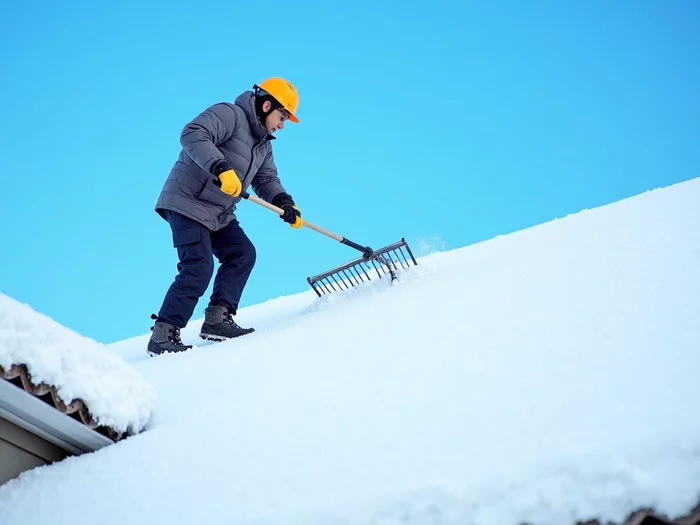
Tool: Roof Rake
Estimated Cost: $30 - $60
Use: For removing snow safely from the ground
Get Jordan M. Knox's latest insights on roofing materials, maintenance, and expert tips delivered directly to your inbox. Stay ahead of the curve!
Posted on: 2026-01-13
By: Jordan M. Knox
As the winter season approaches, many homeowners overlook the potential dangers posed by accumulating snow and ice on their roofs. Understanding these risks is essential in safeguarding your home. What if a simple routine could help you avoid costly repairs and maintain the integrity of your roof?
This table compares common DIY tools for roof maintenance, their estimated costs, and their primary uses.
Estimated Cost: $30 - $60
Use: For removing snow safely from the ground
Estimated Cost: $150 - $300
Use: For preventing ice dam formation
Estimated Cost: $15 - $30
Use: For melting existing ice and preventing build-up
As winter approaches, many homeowners might not realize the hidden dangers that snow and ice accumulation can pose to roofs. Understanding these risks is crucial for maintaining a safe and secure home. If you're like me, you want to ensure your roof is ready to withstand the harsh elements. A well-maintained roof not only protects your home but also helps you avoid costly repairs in the future! For more insights into keeping your roof in top condition, consider our seasonal roof maintenance guide.
Snow and ice can add significant weight to your roof, potentially leading to structural issues. It’s essential to stay informed about how much snow and ice your roof can handle, as well as the signs that indicate your roof might be at risk. Let’s dive into why snow and ice accumulation matters!
Accumulation of snow and ice can lead to various problems, including leaks, mold growth, and even roof collapses in extreme cases. Understanding the implications of heavy snow loads is vital for any homeowner. Here are some key points to consider:
By being proactive about snow and ice management, you can safeguard your roof against these potential hazards. Remember, it’s not just about aesthetics; it’s about the long-term health of your home!
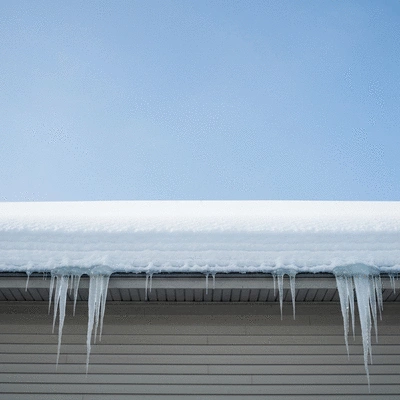
Ice dams can be sneaky and often go unnoticed until they cause significant damage. They occur when melting snow flows down your roof and refreezes at the eaves, creating a dam of ice. Here are some common signs to watch out for:
If you notice any of these signs, it's crucial to take action. I always recommend checking your roof regularly during winter to catch these issues early and prevent more severe damage.
The design of your roof plays a significant role in how it handles snow and ice. A roof with a steep pitch encourages snow to slide off, reducing the load. Conversely, a flat roof can accumulate snow and ice, increasing the risk of damage. Consider these factors:
Knowing how your roof structure influences its ability to handle winter weather can help you make informed decisions about maintenance and necessary modifications. As a roofing expert, I can't stress enough how important it is to stay ahead of these issues! For a deeper dive into how different materials perform, check out our article on roofing materials pros and cons.
What steps have you taken to prepare your roof for winter? Share your experiences and tips in the comments below!
After taking the time to remove snow and ice from your roof, it's essential to conduct post-removal inspections. These checks can help ensure your roof remains structurally sound and free from damage. Have you ever thought about what to look for during these inspections?
By following this checklist, you can catch potential issues early and maintain the integrity of your roof. Remember, routine inspections are an investment in the longevity of your home!
If you’re concerned about the environmental impact of traditional de-icing methods, there are eco-friendly options available that can be just as effective. These solutions help to melt ice without harming nearby plants or groundwater.
Choosing these solutions not only protects your roof but also supports a healthier environment. It’s a win-win situation for everyone!
With so many products on the market, finding the right ice removal solution can feel overwhelming. I often recommend looking for products that prioritize safety and effectiveness. Here are a few options that have worked well for my clients:
When selecting a product, consider factors like your roof type and local weather conditions. Being informed will help you make the best choice for your maintenance needs.
Sometimes, tackling roof maintenance tasks can be intimidating, especially if you have a steep roof or a significant amount of snow accumulation. In such cases, knowing when to call in a professional is crucial. Here are scenarios where hiring an expert is advisable:
Trust me, it’s better to be safe than sorry. Professionals have the expertise and equipment to manage roof maintenance effectively!
If you prefer to handle roof maintenance yourself, having the right tools is key. Here’s a quick comparison of some common DIY tools and their associated costs to help you decide:
| Tool | Estimated Cost | Use |
|---|---|---|
| Roof Rake | $30 - $60 | For removing snow safely from the ground |
| Heated Cables | $150 - $300 | For preventing ice dam formation |
| Liquid De-icer | $15 - $30 | For melting existing ice and preventing build-up |
Investing in these tools can save you money and stress in the long run, ensuring your roof remains safe and functional. You can learn more about choosing the right roofing tools for DIY repair to further enhance your maintenance efforts.
Finally, understanding the ins and outs of insurance claims related to roof maintenance is essential. Many homeowners don’t realize that damage caused by snow and ice may be covered under their policy, but there are a few things to keep in mind:
Being proactive about your insurance can make a significant difference when dealing with roof-related issues. Remember, knowledge is power!
The primary risks include structural damage due to excessive weight, the formation of ice dams leading to water backup and leaks, and increased heating bills from poor insulation causing snow to melt and refreeze.
Key signs of ice dams include large icicles hanging from gutters, water stains on ceilings or walls inside your home, and persistent snow buildup on your roof that doesn't seem to melt.
Yes, the design and pitch of your roof significantly impact its ability to manage snow and ice. Steeper roofs allow snow to slide off more easily, reducing accumulation, while flatter roofs are more prone to heavy snow loads and ice dam formation.
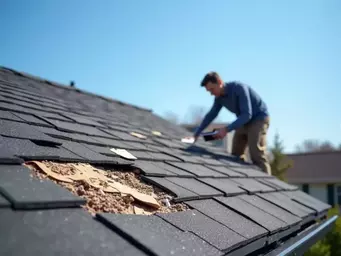
After snow removal, it's crucial to conduct post-removal inspections. Check for lifted or damaged shingles, inspect gutters and downspouts for blockages, and look for any signs of leaks or water stains inside your home to ensure structural integrity.
Yes, eco-friendly de-icing solutions include calcium magnesium acetate (CMA), which is a safer alternative to salt, beet juice, and sand. These options help melt ice without harming nearby plants or groundwater.
Here is a quick recap of the important points discussed in the article: