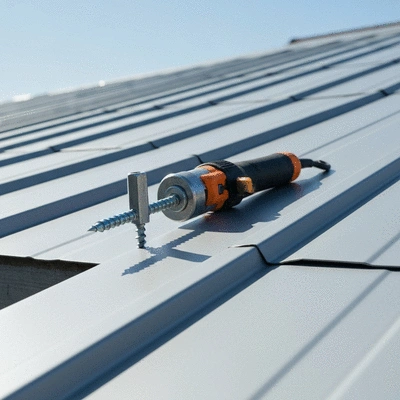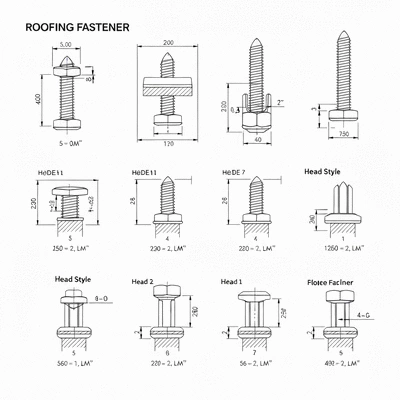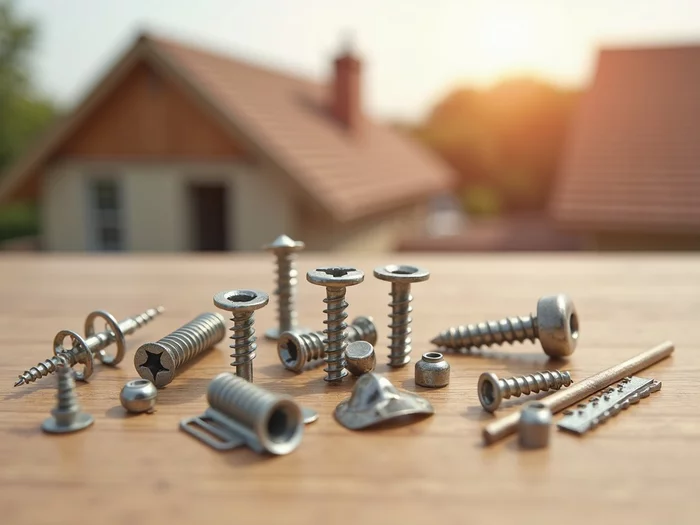
Pancake Head Fasteners
Characteristics: Sit flush, even load distribution, reduces leaks.
Best Uses: Low-slope roofing, smooth finishes, waterproof integrity.
Material Focus: Often galvanized steel for corrosion resistance.
Get Jordan M. Knox's latest insights on roofing materials, maintenance, and expert tips delivered directly to your inbox. Stay ahead of the curve!
Posted on: 2026-02-09
By: Jordan M. Knox
What connects your roof to its structure? The answer lies in roofing fasteners—small yet vital components that ensure your roofing system withstands the elements. Understanding their types and applications can significantly impact the durability and functionality of your roof.
This comparison outlines the primary characteristics, best uses, and materials for essential roofing fasteners, ensuring a clear understanding for optimal roof integrity.
Characteristics: Sit flush, even load distribution, reduces leaks.
Best Uses: Low-slope roofing, smooth finishes, waterproof integrity.
Material Focus: Often galvanized steel for corrosion resistance.
Characteristics: Superior grip, highly resistant to corrosion.
Best Uses: Metal roofing, high-wind situations, long-lasting solutions.
Material Focus: Typically stainless steel for durability.
Characteristics: Create own pilot holes, reduce installation time.
Best Uses: Large projects, quick repairs, maintaining quality workmanship.
Material Focus: Various steels with specialized tips.
Characteristics: Ridges provide superior holding power, resists pull-through.
Best Uses: Steep slopes, high-wind areas, specific roofing materials.
Material Focus: Often galvanized steel.
Characteristics: Easier to drive, less holding power compared to ring shank.
Best Uses: General roofing applications where less grip is acceptable.
Material Focus: Various types, often galvanized.
Characteristics: Larger heads, prevent pull-through, corrosion resistance.
Best Uses: Wooden shingles, securing roof tiles, traditional wooden roofs.
Material Focus: Galvanized steel.
Have you ever thought about what holds your roof together? Roofing fasteners are the unsung heroes of roofing systems, playing a critical role in ensuring that everything stays in place. These fasteners come in various types, each designed for specific applications, and understanding them is key to a successful roofing project.
From securing shingles to anchoring metal panels, roofing fasteners are essential for the integrity of any roof. They provide the strength needed to withstand weather elements while ensuring that roofing materials remain securely attached over time.
Roofing fasteners serve as the crucial link between the roofing materials and the underlying structure. Without them, even the sturdiest roofing systems would be vulnerable to lifting and shifting during storms or high winds. Choosing the right fastener not only enhances the durability of the roof but also contributes to its overall aesthetic appeal.
As a roofing expert with over a decade of experience, I've seen firsthand how important these little components can be. Selecting the right fastener is not just a technical decision; it can make or break your roofing project!
Pancake head fasteners are designed to sit flush with the roofing material, providing a clean finish. They are particularly valued for their ability to distribute load evenly and reduce the risk of leaks. This makes them ideal for applications with low-profile roofing materials.
When working on projects that require a smooth surface, pancake head fasteners are often the go-to choice. Their unique design helps ensure that the roof maintains its waterproof integrity.
If you're considering metal roofing, hex head screws are a must-have! These fasteners provide superior grip and are highly resistant to corrosion, which is crucial for metal roofs exposed to the elements.
In my experience, the durability of hex head screws makes them a reliable option for long-lasting metal roofing solutions, ensuring peace of mind for homeowners.
Self-drilling screws are a game-changer in roofing installations. Designed to create their own pilot holes, these fasteners save time and labor costs by eliminating the need for pre-drilling. This efficiency is especially beneficial when working on large projects!
With self-drilling screws, you can complete roofing tasks faster while maintaining a high quality of workmanship—something every contractor aims for!
When it comes to roofing nails, you'll encounter two popular options: ring shank and smooth shank. Ring shank nails are designed with ridges that provide superior holding power, making them perfect for steep slopes and high-wind areas.
Choosing between these two often depends on the specific roofing material and the environmental conditions your roof will face. I often recommend consulting with your contractor to make the best choice for your project.
Don’t overlook staples and rivets! While they may be less common, these fasteners have unique applications and benefits. Staples are typically used in roofing felt installation, while rivets can provide strong, permanent connections in metal roofing.
Being familiar with these options can enhance your overall roofing strategy, especially in specialized situations.
Wood roofing nails are specifically designed for use in wooden roofing applications. They often have larger heads to prevent pulling through wood shingles and help secure roof tiles effectively.
In my experience, selecting the right wood nails can significantly affect the performance and longevity of wooden roofing systems.
When it comes to fastener materials, galvanized steel and stainless steel are two common choices, each with its pros and cons. Galvanized steel offers excellent corrosion resistance at a lower cost, making it a budget-friendly option for many roofing projects.
Ultimately, your choice should depend on your specific roofing environment and budget. Having served numerous clients, I can assure you that the right material can make a significant difference in the lifespan of your roof!
Aluminum fasteners are lightweight and non-corrosive, making them a solid option for certain roofing applications. They're particularly advantageous in lightweight roofing systems, where weight is a critical consideration.
However, it’s essential to note that aluminum can be less strong than steel options, so understanding your project's requirements is crucial.
Weather-resistant fasteners are designed to withstand harsh environmental conditions. These fasteners typically come with special coatings or are made from materials that resist rust, ensuring the integrity of your roof in challenging climates.
Choosing weather-resistant options can be a game-changer, especially in areas prone to heavy rain or snow!
Determining the right size and length of fasteners is essential for a secure installation. Different roofing materials require different fastener sizes to ensure adequate support and prevent leaks.
By aligning your fastener choices with these requirements, you can enhance your roofing project's durability and performance.
Proper fastener spacing is vital for the integrity of your roof. Incorrect spacing can lead to weak points and potential failure of the roofing system.
As a seasoned roofing expert, I can't stress enough the importance of correct fastener spacing to prevent costly repairs down the line!
Corrosion and wind resistance are crucial features to consider when selecting roofing fasteners. Fasteners with these properties will ensure your roof withstands the elements without compromising its structural integrity.
Choosing fasteners with these features can provide peace of mind, knowing your roof is built to last!
When it comes to purchasing roofing fasteners, knowing where to shop can save you money! Prices can vary based on material, type, and supplier, so it’s wise to do your research.
As someone who has navigated this market over the years, I recommend comparing several suppliers to find the best deals without sacrificing quality.
Many homeowners and contractors make common mistakes when buying roofing fasteners. Here’s how to avoid them:
By staying informed and avoiding these pitfalls, you can ensure that you’re investing in fasteners that will perform effectively over time!
Always refer to manufacturer specifications when selecting roofing fasteners. These guidelines provide crucial insights into the right materials, sizes, and applications, ensuring that your roofing project meets industry standards.
Trust me, following these specifications not only enhances your project's success but also gives you peace of mind knowing you’re using the best products available!
What type of roofing fastener do you find most essential for your projects? Share your thoughts below:
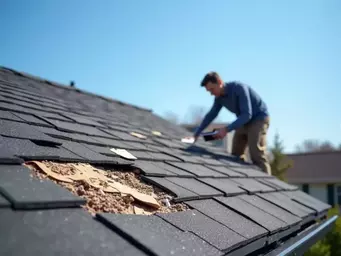
Recognizing when your roofing fasteners may need replacing is crucial for maintaining a secure roof. Some common signs of fastener failure include:
Being proactive about inspection can save you from more extensive repairs down the line! Regular maintenance is key to ensuring the longevity of your roofing system.
So, how often should you inspect and replace your roofing fasteners? It’s generally recommended to check your fasteners:
By establishing a consistent inspection schedule, you can ensure that your roofing fasteners remain functional and effective. This proactive approach significantly reduces the risk of unexpected repairs!
Maintaining your roofing fasteners is an essential aspect of overall roof upkeep. Here are some best practices to follow:
Incorporating these practices into your roof maintenance routine can enhance the durability and safety of your roofing system. At Roofing Explained, we emphasize the importance of understanding these details to make informed decisions about your roofing needs!
Here is a quick recap of the important points discussed in the article: