Safety Gear Essentials
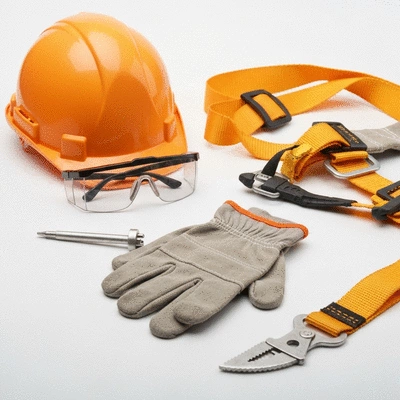
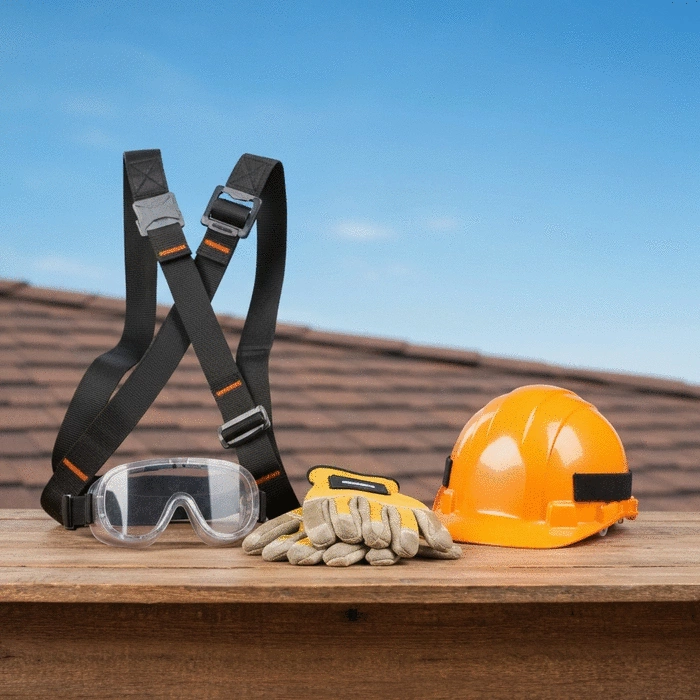
- • Hard Hats: Head Protection
- • Safety Harnesses: Fall Prevention
- • Non-slip Footwear: Traction & Stability
- • Gloves: Hand Protection
- • Protective Eyewear: Eye Shielding
Get Jordan M. Knox's latest insights on roofing materials, maintenance, and expert tips delivered directly to your inbox. Stay ahead of the curve!
Posted on: 2025-12-18
By: Jordan M. Knox
What if the right safety gear could mean the difference between a successful day on the roof and a preventable accident? In the roofing industry, understanding safety tools and regulations is essential for the well-being of everyone on the job site.
Roofing Explained highlights essential safety tools and practices for roofing contractors, ensuring protection and compliance on every job site. For a deeper dive into materials, consider exploring roofing materials pros and cons to make informed choices for your projects.
When it comes to roofing, safety is not just a priority; it's a necessity! At Roofing Explained, we understand that the right tools and equipment can make all the difference in ensuring a safe working environment for roofing contractors. This section dives into the critical aspects of roofing safety and emphasizes the importance of proper equipment and adherence to safety standards.
Every roofing job comes with risks, and having the right safety gear is essential in protecting roofing contractors from potential hazards. Not only do these tools help prevent injuries, but they also foster a culture of safety on the job site. It's imperative that contractors equip themselves with the necessary tools to mitigate risks effectively. For more insights on maintaining your roof, check out our roof maintenance inspection guide.
By using proper safety gear, contractors can significantly reduce the chances of accidents while working on roofs. Here are some vital pieces of safety equipment that should be included in every roofer's toolkit:
Each of these items plays a significant role in ensuring that roofers stay safe while performing their duties. It's important to remember that investing in quality safety gear is an investment in the well-being of your workforce.
The Occupational Safety and Health Administration (OSHA) sets forth specific regulations regarding safety in the roofing industry. Understanding these standards is crucial for ensuring compliance and maintaining a safe workplace. Here are a few key OSHA standards relevant to roofing:
By adhering to these OSHA regulations, roofing contractors can not only protect their workers but also minimize legal liabilities and maintain a professional reputation within the industry.
When working at heights, having reliable fall protection systems is crucial. These systems are designed to prevent falls and ensure that contractors can work safely and efficiently. Let's delve into the components of personal fall arrest systems (PFAS) and other related equipment that play a pivotal role in maintaining safety on the job site.
What safety measures do you prioritize on your roofing jobs? Share your thoughts and experiences with us!
As we dive into the world of roofing, it’s clear that safety cannot be overlooked! The right safety tools and equipment are not just optional; they are essential for the well-being of every roofing contractor. A solid understanding of these tools helps ensure that workers return home safe and sound after a long day on the roof.
These items form the cornerstone of a robust safety approach. Regularly revisiting these components can make all the difference in preventing accidents and injuries on the job site.
To recap, the essential safety measures include proper fall protection systems, personal protective equipment, and emergency preparedness tools. Each of these plays a critical role in mitigating risks associated with roofing work. By keeping these measures at the forefront, we can create a safer environment for everyone involved. For homeowners looking to understand more about their roofing options, explore roof types every homeowner should know.
Remember, implementing these measures isn’t just about compliance; it's about fostering a culture of safety that protects lives.
Investing in safety gear pays off in many ways! Not only does it protect your team, but it also enhances productivity and morale. When contractors feel safe, they can focus on their tasks without the looming anxiety of potential hazards.
At Roofing Explained, I’ve seen firsthand how prioritizing safety can transform a business. By choosing quality safety tools, contractors not only protect their workers but also set themselves up for long-term success!
Now that we understand the importance of safety, let’s discuss actionable steps you can take to enhance your roofing practices.
Finding the right resources for safety audits and training can seem daunting, but it’s crucial! Investing time in these areas ensures compliance with safety regulations and enhances your team’s knowledge.
Taking advantage of these resources not only keeps your team informed but also builds a foundation for a safer work environment.
Cultivating a safety-first culture is fundamental! It’s not just about having the right equipment but also about fostering an environment where everyone prioritizes safety. Regular discussions around safety and open lines of communication can go a long way.
By promoting a culture focused on safety, you empower your team to take responsibility for their well-being and that of their colleagues.
Finally, consider incorporating roofing safety kits as part of your safety strategy! These kits can include essential tools and equipment tailored to your specific needs, helping streamline compliance and make safety more accessible.
Having these kits readily available on-site means your team can act quickly and effectively in emergencies, reinforcing the importance of safety at every job. For additional expert advice, consider our guide on selecting your roofing contractor wisely.
Here is a quick recap of the important points discussed in the article: