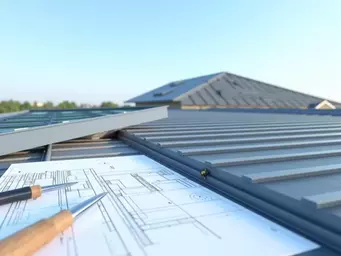
Did you know that regular roof maintenance can significantly extend the life of your roof and save you from costly repairs? Discover the key aspects of proactive roof management that every homeowner should know!
What You Will Learn
Early detection of roof issues can prevent costly repairs and structural damage.
Seasonal changes impact roof health; regular inspections can mitigate damage from extreme weather.
Understanding the age and material of your roof is essential for effective maintenance planning.
Creating a structured roof maintenance plan can help homeowners manage repairs and budget effectively.
Building a relationship with trusted roofing professionals ensures quality workmanship and peace of mind.
Recognizing early warning signs like water stains and missing shingles empowers proactive maintenance.
Roof Maintenance: Key Factors and Lifespan
Understanding the factors influencing roof health and the typical lifespans of common roofing materials is crucial for effective home maintenance. For a deeper dive into protecting your home, check out our roof maintenance inspection guide.
Impact of Seasonal Changes on Roof Condition
Winter: Snow accumulation leads to ice dams, obstructing drainage.
Spring: Heavy rainfall exposes weaknesses, causing leaks.
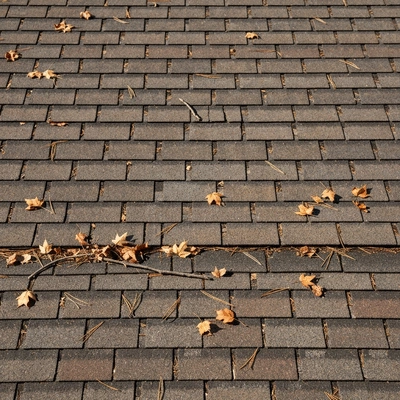
Fall: Falling leaves clog gutters, leading to water pooling.
Typical Roof Material Lifespans
Asphalt Shingles:20-30 years
Metal Roofing:40-70 years
TPO/PVC Membranes:15-30 years
Early Warning Signals for Roof Issues
Water stains on ceilings or walls
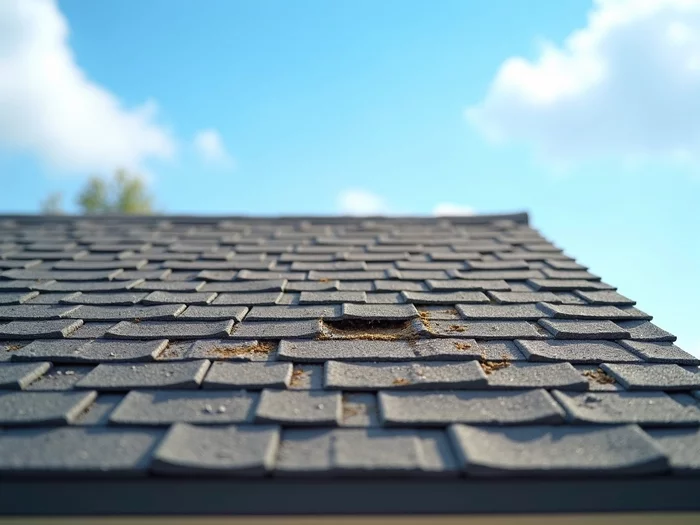
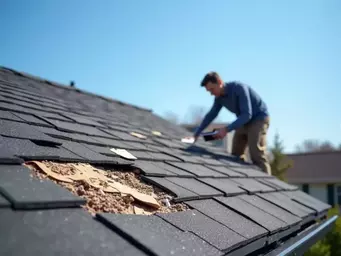
Missing or damaged shingles
Ponding water on the roof surface
Granule loss from asphalt shingles
Understanding the Importance of Roof Maintenance: Why Early Detection Matters
As a roofing expert with over a decade of experience, I cannot emphasize enough the significance of regular roof maintenance! Not only does it prolong your roof's lifespan, but it also helps you avoid costly repairs down the line. Early detection of issues can save you time, money, and a lot of headaches.
When it comes to roof maintenance, understanding the costs of delayed repairs is crucial. Ignoring small leaks or damaged shingles can lead to more severe problems, such as structural damage or mold growth. So, let’s break down why proactive maintenance is essential!
Identifying the Costs of Delayed Roof Repairs
It’s important to recognize the financial implications of putting off roof repairs. Here are some common costs associated with delayed action:
Increased Repair Costs: What starts as a small leak can escalate into extensive water damage, leading to higher repair bills.
Decreased Property Value: A poorly maintained roof can drop your home’s market value significantly.
Insurance Complications: Some insurance policies may not cover damage from neglected maintenance.
Taking care of minor issues quickly can help prevent these additional expenses. A little investment in maintenance goes a long way!
How Seasonal Changes Affect Roof Condition
Seasonal changes can have a substantial impact on your roof’s health. Different weather conditions stress your roof materials in various ways. Here are a few factors to consider:
Winter: Snow accumulation can lead to ice dams, which obstruct proper drainage.
Spring: Heavy rainfall can expose weaknesses in your roof, leading to leaks.
Summer: Intense heat can warp materials, causing cracks and deterioration.
Fall: Falling leaves can clog gutters, leading to water pooling on the roof.
Keeping an eye on these seasonal effects is vital for maintaining your roof’s integrity. Regular inspections can help you catch issues before they become serious problems! For more detailed advice, refer to our guide on seasonal roof maintenance for homeowners.
Impact of Roof Age on Maintenance Needs
As roofs age, their needs change. Understanding how the age of your roof affects its maintenance can be incredibly beneficial:
Older Roofs: They may require more frequent inspections and repairs as materials degrade.
Material Type: Different materials have varying lifespans; knowing yours can guide maintenance schedules.
Building Codes: Older roofs may not meet current building standards, necessitating upgrades.
By staying informed about your roof’s age and its specific needs, you can effectively tailor your maintenance strategy. Trust me, this proactive approach will safeguard your investment for years to come!
Pro Tip
Did you know? Regular roof inspections can save you up to 30% on repair costs! Scheduling bi-annual checks and addressing minor issues promptly helps maintain your roof's health and prevents larger, more expensive problems from arising.
Taking Action: Next Steps for Homeowners
Now that we've explored the importance of recognizing roof issues, it's time to take action! As a homeowner, being proactive can save you a lot of time and money in the long run. At Roofing Explained, we believe that a well-crafted roof maintenance plan is your best defense against unexpected repairs and costly damages.
Creating a Roof Maintenance Plan
Establishing a roof maintenance plan doesn't have to be complicated! Here’s how you can get started:
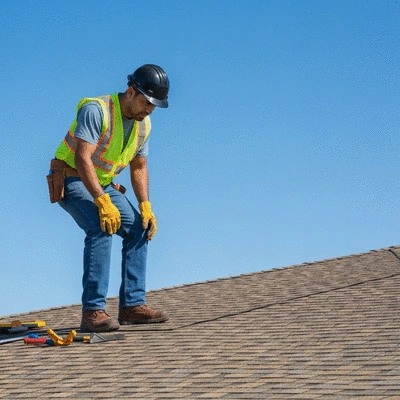
Assess Current Condition: Begin with a thorough inspection to identify any existing issues.
Set Clear Goals: Determine what you want to achieve—maybe extending your roof’s lifespan or preventing leaks.
Document Findings: Keep records of inspections and repairs for future reference.
Prioritize Repairs: Address critical issues immediately to prevent them from escalating.
Budget for Maintenance: Allocate funds regularly to cover maintenance activities and unexpected repairs.
By following this straightforward plan, you’ll gain peace of mind knowing your roof is in good hands!
Establishing a Maintenance Schedule for Proactive Care
A maintenance schedule is essential for keeping your roof in top shape year-round. Here’s a simple framework to help you:
Bi-Annual Inspections: Check your roof in spring and fall for any signs of wear or damage.
Post-Storm Checks: After severe weather, inspect for potential storm damage.
Clean Gutters Regularly: Ensure your gutters are clear to prevent water backup that can damage your roof.
Schedule Professional Assessments: Consider having a roofing professional evaluate your roof every few years.
Sticking to this schedule can help you catch problems early, potentially saving you from costly repairs down the line!
Connecting with Trusted Roofing Professionals
Lastly, it's crucial to build a relationship with reliable roofing experts. Here’s how to find the right ones:
Ask for Recommendations: Seek referrals from friends, family, or local community groups.
Check Credentials: Ensure they are licensed, insured, and have good reviews.
Get Multiple Quotes: Compare estimates to understand fair pricing for services.
Evaluate Experience: Look for contractors with a solid track record in your area.
Building these connections can provide you with peace of mind and ensure you receive quality work when it matters most. To ensure you're making the best choice for your home, learn more about selecting your roofing contractor wisely.
Summary of Key Signs and Their Implications
As we wrap up this section, it’s important to remember the early warning signals we've discussed. Regularly checking for these signs can help you maintain your roof effectively!
Recap of Early Warning Signals to Watch For
Water stains on ceilings or walls
Missing or damaged shingles
Ponding water on the roof surface
Granule loss from asphalt shingles
Keeping an eye on these indicators will empower you to take action before problems escalate!
Encouraging Proactive Management of Roof Health
At Roofing Explained, we encourage homeowners to adopt a proactive approach to roof management. It’s always better to address minor issues before they become major headaches.
Understanding Replacement Costs and Roof Lifespan
Finally, being informed about replacement costs and the expected lifespan of your roofing materials is essential. This knowledge helps you budget appropriately and decide when it’s time for a roof replacement. For an in-depth look at various options, consider our guide on roofing materials pros and cons.
Asphalt Shingles: Typically last 20-30 years.
Metal Roofing: Can last 40-70 years!
TPO and PVC Membranes: Offer 15-30 years of longevity.
Understanding these aspects will ensure you’re prepared and can make informed decisions regarding your roof’s future!
Frequently Asked Questions (FAQs)
Q: What are the main benefits of regular roof maintenance?
A: Regular roof maintenance significantly extends your roof's lifespan, prevents costly repairs, helps avoid structural damage and mold growth, and maintains your home's property value by addressing issues before they escalate.
Q: How do seasonal changes affect my roof?
A: Each season presents unique challenges: winter brings ice dams from snow, spring causes leaks from heavy rain, summer's intense heat can warp materials, and fall leads to clogged gutters from falling leaves. Regular monitoring throughout the year is crucial.
Q: What are the early warning signs of roof issues I should look for?
A: Key early warning signs include water stains on ceilings or walls, missing or damaged shingles, ponding water on the roof surface, and granule loss from asphalt shingles. Promptly addressing these signs can prevent larger problems.
Q: How often should I have my roof inspected professionally?
A: It's recommended to have bi-annual inspections (in spring and fall) and post-storm checks after severe weather. Additionally, scheduling professional assessments every few years can help identify issues not visible to the untrained eye.
Q: What is the typical lifespan of common roofing materials?
A: Asphalt shingles typically last 20-30 years, metal roofing can last 40-70 years, and TPO/PVC membranes offer 15-30 years of longevity. Knowing your material's lifespan helps plan for maintenance and eventual replacement.
Recap of Key Points
Here is a quick recap of the important points discussed in the article:
Regular roof maintenance is crucial for prolonging roof lifespan and preventing costly repairs.
Ignoring minor issues can lead to increased repair costs, decreased property value, and insurance complications.
Seasonal changes can significantly affect roof condition; regular inspections are essential.
Older roofs require more frequent inspections and may need to meet current building codes.
Establish a roof maintenance plan that includes assessments, clear goals, documentation, and budgeting for repairs.
Create a maintenance schedule with bi-annual inspections and post-storm checks to catch issues early.
Build relationships with trusted roofing professionals by checking credentials and getting multiple quotes.
Your go-to resource for demystifying all aspects of roofing for homeowners, contractors, and property managers. We help you with expert insights, step-by-step guides, and cost comparisons for informed decisions.
Trusted by the roofing community, our mission is to provide reliable, easy-to-follow insights backed by over a decade of industry expertise and the latest industry standards.
Tip — Have you ever wondered what to look for during roof inspections? Inspecting your roof twice a year can save you from costly repairs down the line.
Tip — Choosing the right roofing material can feel overwhelming. Consider what matters most to you—cost, longevity, or environmental impact—and weigh these factors carefully.
Tip — Ever felt confused about what a roof replacement involves? Understanding the process, from estimates to material selection, can ease your worries.
Tip — Don't forget to factor in local building codes and climate! Engage with your contractor about these details to ensure your roof stands strong against nature's challenges.
Tip — Regular maintenance is key. Are your gutters clear? Are there any missing shingles? Small steps make a significant difference in prolonging your roof’s lifespan.