Common Roof Issues by Climate
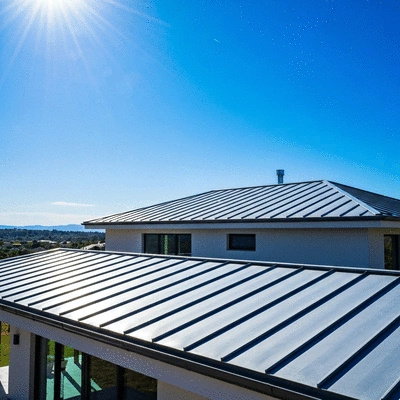
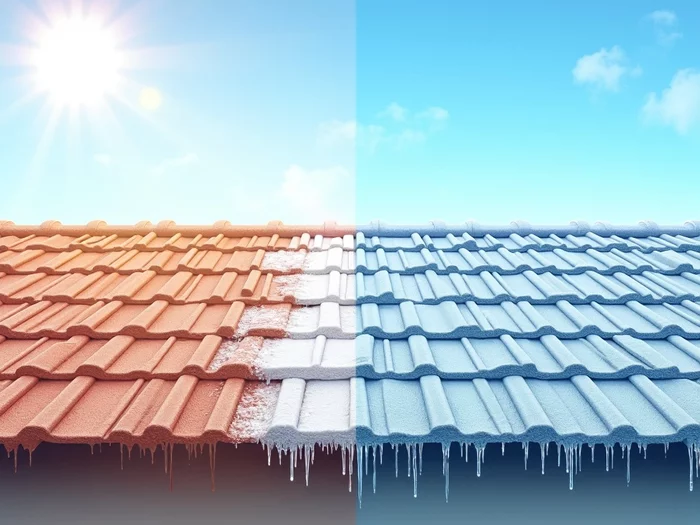
- Hot Climates: Fading, curling shingles.
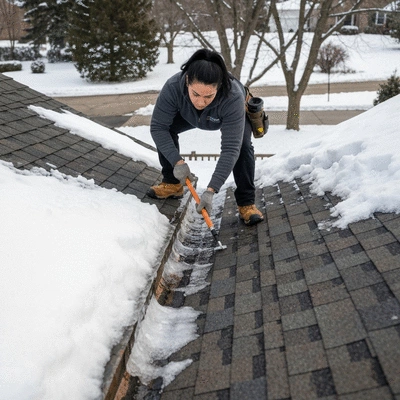
- Cold Climates: Ice dams, trapped moisture.
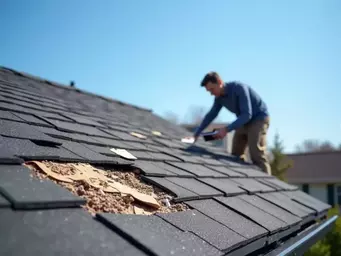
- Humid Climates: Mold, algae growth.
Get Jordan M. Knox's latest insights on roofing materials, maintenance, and expert tips delivered directly to your inbox. Stay ahead of the curve!
Posted on: 2026-01-07
By: Jordan M. Knox
Have you considered how your local climate affects your roof? Understanding the unique demands of different weather conditions is essential for effective roof maintenance. Let’s dive into key insights that will empower you to make informed decisions for the longevity of your roof.
Understanding how different climates impact roofing is crucial for effective maintenance and material selection. This visual summarizes critical factors and material performance across various weather conditions. For more detailed information on selecting the right options, explore our guide on selecting roofs for local climate.
When it comes to your roof, the climate plays a critical role in how you should maintain it. Understanding the unique demands of your local weather can save you from unexpected repairs and extend the lifespan of your roof. Are you aware of the specific challenges your roof faces due to climate? Let's explore how weather conditions impact roofing maintenance and choices.
Every region has its quirks, and as the owner of Roofing Explained, I’ve seen firsthand how different climates can affect roofs. From scorching sun to heavy snowfall, the elements are a constant factor that impacts roofing materials and their performance. Proper care tailored to your climate not only enhances durability but also ensures you protect your investment.
Different weather patterns and temperatures require unique maintenance strategies. For example, the **hot climates** often lead to increased sun exposure, which can cause wear on roofing materials. Conversely, **cold climates** can present challenges like ice dams and snow accumulation. Understanding these variances helps homeowners plan their maintenance accordingly.
These climate-specific challenges can lead to common roof issues, some of which may surprise you! By anticipating these problems, you can take proactive steps to ensure your roof remains strong and functional. For comprehensive guidance, check out our roof maintenance seasonal checklists guide.
Weather conditions directly influence your choice of roofing materials. For instance, roofs in arid regions often utilize materials that reflect sunlight, while those in snowy areas might emphasize insulation and durability. Materials like metal and tile can perform exceptionally well under heat, while asphalt shingles might suffice in milder climates.
Each material comes with its pros and cons, significantly affecting your roof's maintenance and longevity. Are you using the right materials for your climate?
Knowledge of common issues can guide your maintenance efforts. Here are some prevalent roof problems based on various climates:
Identifying these issues early can prevent costly repairs later. A quick inspection can make a significant difference!
Not every climate is created equal, and understanding your local climate zone can help you tailor your roof maintenance strategies. Regions vary from arid deserts to humid subtropics, each impacting roofing longevity in unique ways. Do you know what climate zone you live in?
These factors not only influence roofing choices but can also dictate the type of maintenance required throughout the year. By aligning your maintenance schedule with your climate zone's needs, you can enhance your roof's durability.
Making the right roofing choice means considering your specific climate zone. For example, if you live in a region with heavy rainfall, you might opt for materials designed for superior drainage and moisture resistance. On the other hand, if you're in a dry, hot climate, reflective materials could be your best bet.
Each decision can lead to significant savings and peace of mind in the long run. So, when was the last time you assessed your roofing needs based on your local climate?
According to a recent study, roofs that are properly maintained can last up to 25% longer than those that are neglected. This highlights the importance of regular inspections and maintenance tailored to your specific climate conditions!
As we wrap up our discussion on climate-specific roof maintenance, it's essential to highlight the various ways that local weather can influence your roofing needs. Each climate presents unique challenges and opportunities for homeowners and contractors alike. By understanding these factors, we can better protect our roofs and extend their lifespan.
Let's take a moment to recap the best practices for maintaining roofs in different climates. Recognizing how climate influences your roof’s lifespan is crucial for making informed decisions that safeguard your investment.
Here’s a quick summary of the best practices based on climate:
From heat-resistant roofing materials to understanding the importance of proper drainage systems, these insights can significantly enhance your roof's durability across different conditions. Now, let's dive deeper into the role that local weather considerations play in your overall roof maintenance strategy.
It's clear that the climate in your area can have a direct impact on your roof's longevity. For example, roofs in hot regions may experience quicker degradation due to constant sun exposure. Conversely, cold climates can lead to ice buildup and snow-related stress. Understanding these variables allows you to select the right materials and maintenance practices that complement your specific environment.
When evaluating roofing materials, it’s essential to understand how they perform under different weather conditions. Here’s a quick comparison:
Choosing the right materials not only impacts your roof's performance but also its overall lifespan and your long-term maintenance costs!
Local weather conditions, such as humidity, rainfall, and temperature fluctuations, can significantly affect how we maintain our roofs. Aligning your maintenance strategy with these factors can lead to better outcomes.
Lastly, it’s worthwhile to consider how regional building practices can influence your roof's durability. For instance, areas prone to heavy snow may require steeper roof pitches, while regions with high wind speeds might benefit from more secure fastening methods. Understanding these local practices not only ensures compliance with regulations but also enhances the efficiency of your roof.
By tailoring your maintenance practices to reflect these unique challenges, you can ensure that your roof remains in top shape, regardless of where you live!
Now that you have a solid understanding of climate-based roof maintenance, it’s time to take action! Implementing a proactive maintenance plan can save you headaches (and money!) down the line.
The first step is to consult with local experts who understand the specific needs of your area. Have you considered reaching out to your local roofing professional? They can offer tailored solutions that align with your roof's materials and your local climate. For a detailed guide on evaluating contractors, refer to our article on selecting your roofing contractor wisely.
Getting expert advice can make a world of difference. Local contractors often have firsthand experience with regional weather impacts. They can help you develop a maintenance plan that addresses all relevant factors!
Next, using seasonal calendars can help you stay organized and ensure that you’re not missing any critical maintenance tasks. Keeping track of what needs to be done throughout the year will simplify your approach to roof care.
Create a checklist that includes tasks specific to each season. This can include inspections after heavy storms, cleaning gutters in the fall, or checking for UV damage in the summer.
As you think about your maintenance plan, you might be wondering whether to tackle some tasks yourself or hire a professional. Let’s weigh the options!
While DIY projects can be rewarding, professional services often provide peace of mind and expertise that can save you time and effort. They’re trained to spot issues you may overlook and can offer high-quality repairs that extend your roof’s life. In many cases, investing in professional help is well worth it!
So, as you embark on your roof maintenance journey, remember that a well-maintained roof is the first line of defense against the elements. Let's keep our roofs strong together!
Here is a quick recap of the important points discussed in the article: