Tree Care and Roof Preservation
Posted on: 2026-02-16
By: Jordan M. Knox
What if the trees surrounding your home could either prolong or shorten the life of your roof? Understanding the impact of tree maintenance on roof health is not just advisable—it's essential. By learning how to manage your trees, you can mitigate potential damage and save on costly repairs.
What You Will Learn
- Proper tree maintenance can significantly extend the lifespan of your roof.
- Overhanging branches can cause scratches and severe structural damage to your roof.
- Leaf accumulation traps moisture, leading to mold and potential leaks.
- Fungal growth can silently degrade roofing materials, causing extensive damage.
- Regular inspections and timely trimming are crucial for roof protection.
- Understanding tree species can help prevent selecting high-risk trees for your property.
- Scheduled seasonal maintenance can proactively safeguard your roof against tree-related issues.
How Trees Impact Your Roof: Risks and Best Practices
Understanding the interplay between your trees and your roof is crucial for long-term home maintenance. The visual below outlines key risks and effective preventive measures. For more insights into maintaining your roof, explore our roof maintenance inspection guide.
Tree-Related Risks to Roof Health
- ● Overhanging branches: Scrape, break, structural damage.
- ● Leaf accumulation: Traps moisture, decay, clogs gutters.
- ● Fungal growth (moss/algae): Weakens materials, leaks, rot.
- ● Pests: Branches enable access to roof and home.
Best Practices for Tree Maintenance
- ✓ Regular trimming: Keep branches 10ft from roof.
- ✓ Remove dead/diseased branches: Prevents decay spread.
- ✓ Seasonal maintenance: Spring/fall checks for new growth.
- ✓ Professional help: For tall trees, extensive pruning (Arborist).
Preventive Measures & Awareness
- ★ Regular roof inspections (2x/year).
- ★ Avoid planting large, brittle trees near home.
- ★ Balance shade benefits with canopy risks.
- ★ Monitor tree species for shedding habits.
The Relationship Between Tree Maintenance and Roof Health
Maintaining a healthy roof is about more than just the materials used; it also involves understanding the role of nearby trees. Did you know that proper tree maintenance can significantly extend the life of your roof? In this section, I’ll explore how trees can impact roof health and what you can do to mitigate potential damage.
Often, homeowners overlook the dangers posed by overhanging branches and leaf accumulation. These factors can lead to costly repairs down the line, which is why it’s essential to stay proactive. Let’s dive into how tree-related issues can affect your roof.
Understanding Tree Damage to Your Roof
Tree damage can come in various forms, and recognizing these risks early can save you from future headaches. It’s crucial to monitor your trees and their interaction with your roof. Here are some significant risks to keep an eye on:
- Overhanging branches that can scrape against the roof or break off during storms
- Accumulation of leaves that can trap moisture and accelerate decay
- Fungal growth that may weaken your roof structure
Let’s examine these risks in detail so you can better understand what to watch for.
Identifying Risks from Overhanging Branches
Overhanging branches can do more than just scratch your shingles; they can also lead to significant structural damage. During storms, these branches may break off and fall onto your roof, causing punctures or even complete devastation in extreme cases. Regularly trimming these branches is vital to safeguard your roof’s integrity.
Additionally, branches that are too close to your roof can become a breeding ground for pests and fungi. This could lead to further complications, including damage to the underlying materials. Keeping trees properly trimmed is a proactive step every homeowner should take! For more tips on maintaining your roof, check out our guide on seasonal roof maintenance.
How Leaf Accumulation Affects Roof Integrity
Leaf buildup on your roof can create a perfect environment for moisture retention. This can lead to mold, algae, and even structural issues over time. Homeowners often underestimate the impact of a few fallen leaves, but they can have serious long-term consequences. Make it a habit to clean your roof regularly to prevent this problem!
Moreover, when leaves clog your gutters, they can lead to water pooling around the roof edges, promoting rot and decay. So, ensure your gutters are clean and your roof is free of debris.
The Impact of Fungal Growth on Roof Structures
Fungal growth, such as moss and algae, can be a silent killer of your roof’s health. Often mistaken for simple dirt, these organisms can gradually break down roofing materials, leading to leaks and further damage. It’s essential to treat your roof and trees for these issues to maintain a strong, healthy structure.
Regular inspections can help identify these problems before they escalate. If you see unusual growth, don’t hesitate to reach out to professionals who can assist in treating the issue effectively!
Common Types of Damage Caused by Trees
Now that we’ve discussed the risks, let’s look at some common types of damage trees can cause to roofs. Awareness of these issues will empower you to take the necessary steps to protect your home. Here are the primary concerns:
- Moss and algae growth that can deteriorate roof materials
- Moisture retention leading to leaks and rot
- Shingle damage caused by branches and debris
By understanding these damage types, you’ll be better equipped to care for your roof and trees. Let’s explore each of these in detail!
Moss and Algae Growth: Hidden Threats to Your Roof
Moss and algae can be deceptively innocuous but can wreak havoc on your roof’s health. They often thrive in shaded areas, making roofs under tree canopies particularly vulnerable. Once established, they retain moisture against your shingles, accelerating decay.
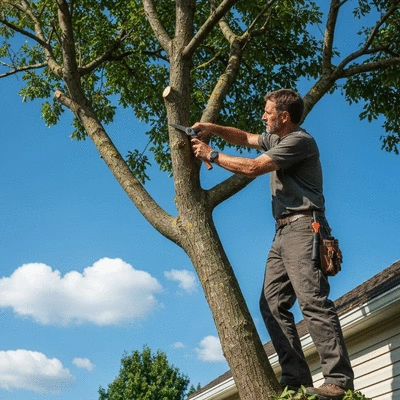
It’s crucial to clean your roof regularly and consider installing a protective layer that deters these organisms. A proactive approach will keep your roof in optimal condition!
Moisture Retention and Its Long-Term Effects
When leaves and branches accumulate on your roof, they can trap moisture, leading to severe long-term effects. This moisture can seep into your roofing materials, causing rot and weakening the overall structure. Avoiding this issue requires diligence in maintaining both your trees and your roof.
One simple solution is to schedule regular cleanings and inspections, ensuring no water is being trapped on your roof. This small act can save you from extensive repairs later on!
Recognizing Shingle Damage Resulting from Tree Interactions
Tree interactions can lead to visible shingle damage, such as cracks, missing pieces, or even complete removal. These issues not only compromise your roof’s integrity but can also lead to leaks, increasing your home’s vulnerability.
Being vigilant and addressing any signs of damage quickly will help you maintain a strong and reliable roofing system. Remember, awareness is key!
Pro Tip
Did you know? Regularly inspecting your roof for tree-related issues is just as important as maintaining the trees themselves. Make it a habit to check at least twice a year for debris accumulation, signs of wear, and any potential damage from branches. This proactive approach can save you from costly repairs and extend your roof's lifespan significantly!
Frequently Asked Questions About Tree Maintenance and Roof Health
How can trees damage my roof?
Trees can damage your roof through overhanging branches that scrape or break shingles, leaf accumulation that traps moisture leading to mold and decay, fungal growth like moss and algae that weaken materials, and by providing access for pests to your roof and home.
What are the best practices for tree maintenance to protect my roof?
Key best practices include regular trimming to keep branches at least 10 feet from your roof, removing dead or diseased branches, scheduling seasonal maintenance (spring/fall) to check for new growth, and hiring professional arborists for tall trees or extensive pruning.
How often should I inspect my roof for tree-related issues?
It is recommended to conduct regular roof inspections at least twice a year to identify tree-related risks early, such as debris accumulation, signs of wear, and any potential damage from branches or fungal growth.
Which tree species pose the most risk to roofs?
Trees that are large, have brittle branches, or are known for shedding a lot of leaves or branches during storms can pose a higher risk. It's best to avoid planting such trees too close to your home and to monitor their root systems.
Can tree canopies be beneficial for my home?
Yes, tree canopies can provide shade that helps regulate indoor temperatures. However, an overly thick canopy can increase moisture levels on your roof, promoting mold, and branches touching the roof can cause damage and invite pests. Regular pruning helps balance these benefits with potential risks.
Best Practices for Tree Maintenance to Protect Your Roof
Maintaining the trees around your home is essential for ensuring your roof stays in top shape. Proper tree maintenance not only protects your roof from potential damage but also enhances the overall aesthetics of your property. Here, I’ll share some effective practices that can help you achieve this balance.
By implementing these tree care methods, you can mitigate risks and prolong the life of your roofing system. So, let’s dive into the best practices!
Essential Trimming and Pruning Techniques
Regular trimming and pruning of trees are vital for preventing roof damage. This process helps reduce the risk of branches falling on your roof and minimizes potential hazards from overhanging limbs. Not to mention, it promotes healthier tree growth!
- Maintain a safe distance: Keep branches at least 10 feet away from your roof.
- Remove dead or diseased branches: This prevents decay from spreading to healthy areas.
- Encourage upward growth: Trim lower branches to direct growth upwards and away from your roof.
Scheduling seasonal maintenance ensures that your trees are kept in check, reducing risks to your roof. Consider spring and fall as optimal times for these tasks, as the trees are more manageable during these seasons.
Scheduling Seasonal Tree Maintenance for Optimal Roof Protection
Planning your tree maintenance around the seasons can significantly enhance your roof's longevity. Regular checks during spring and fall allow you to assess tree health and make necessary adjustments before extreme weather conditions set in.
- In spring, look for any new growth that may threaten your roof.
- In fall, trim away any dead branches and prepare the trees for winter.
By being proactive, you can prevent costly repairs caused by tree-related damage. Remember, a little effort in maintaining your trees translates into major savings down the line!
DIY vs. Professional Tree Services: When to Call an Arborist
While some homeowners may feel comfortable tackling tree maintenance on their own, others may find it beneficial to hire a professional. Understanding when to call an arborist can make all the difference in ensuring both tree health and roof protection.
- If the trees are tall or near power lines, it’s best to consult a professional.
- For extensive tree removal or significant pruning, an arborist's expertise is invaluable.
- Regular assessments by a certified arborist can help identify potential issues before they escalate. For advice on choosing the right professional, consider our article on selecting your roofing contractor wisely.
At Roofing Explained, we believe in the importance of partnerships. Connecting with local tree care experts can provide personalized advice tailored to your specific landscape and roofing needs!
Preventive Measures to Avoid Roof Damage
In addition to tree maintenance, incorporating preventive measures can drastically reduce the risk of roof damage. Regular inspections, evaluation of tree species, and understanding the role of tree canopies are all essential elements in keeping your roof safe.
Let’s explore these critical steps!
Conducting Regular Roof Inspections for Tree-Related Risks
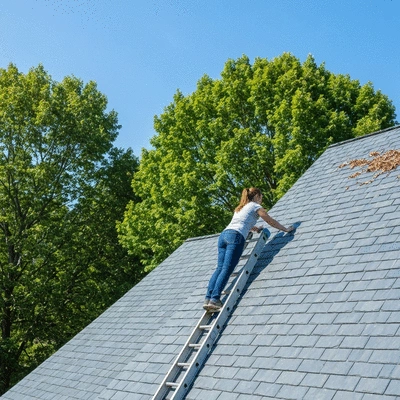
Conducting frequent roof inspections is crucial for identifying tree-related risks early. By checking your roof at least twice a year, you can spot potential hazards from nearby trees before they cause significant damage.
- Look for signs of wear around the edges of shingles.
- Inspect for any debris build-up from branches or leaves.
- Check for moss or algae growth that could indicate moisture retention.
Being vigilant about these inspections allows you to address issues promptly, ensuring your roof remains durable and intact.
Evaluating Tree Species: Which Ones Pose the Most Risk?
Some tree species are more prone to causing roof damage than others. Understanding which types of trees can pose risks will help you make informed decisions when planting or maintaining trees around your home.
- Avoid planting large trees close to your home, especially those with brittle branches.
- Consider the root systems of trees; some can damage foundations and roofs over time.
- Regularly assess trees known for shedding leaves or branches during storms.
By evaluating the tree species in your yard, you can create a safer environment for your roof!
Understanding the Role of Tree Canopy in Roof Health
The tree canopy plays a significant role in your roof's health. A thick canopy can provide shade, which can help regulate temperatures inside your home, but it can also lead to problems.
- Too much shade can increase moisture levels on your roof, promoting mold growth.
- Branches that touch the roof can damage shingles and create entry points for pests.
Balancing the benefits of shade with the potential risks from tree canopies is essential for maintaining roof health. Regular tree pruning helps ensure your canopy remains beneficial!
Recap of Key Points
Here is a quick recap of the important points discussed in the article:
- Proper tree maintenance can significantly extend the life of your roof.
- Regularly trim overhanging branches to prevent structural damage and protect your roof.
- Keep your roof free of leaves to avoid moisture retention and potential mold growth.
- Conduct regular roof inspections to identify tree-related risks early.
- Evaluate tree species and their proximity to your home to mitigate damage risks.
 Are you prepared to navigate the complexities of roofing insurance claims after a storm? With the ri
 As the demand for sustainable living grows, so does the importance of eco-friendly roofing solutions
 The future of roofing is not just about protection; it's about innovation and sustainability. How ca

