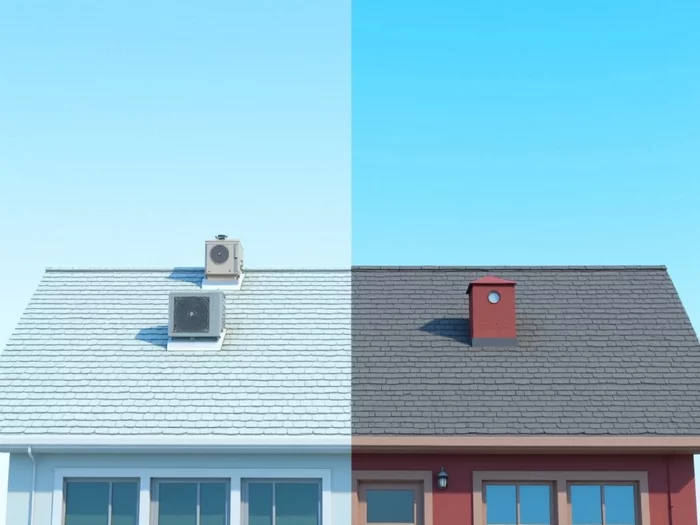
Roof Design & Slope
Residential
- ●Steep Slope (>3:12)
- ●Aesthetics & Drainage
Commercial
- ●Flat or Low-Slope (<3:12)
- ●Maximizes Space, Equipment
⌂
Get Jordan M. Knox's latest insights on roofing materials, maintenance, and expert tips delivered directly to your inbox. Stay ahead of the curve!
Posted on: 2026-01-21
By: Jordan M. Knox
As you embark on your roofing journey, understanding the nuances between commercial and residential roofing can be a game-changer. With distinct challenges and requirements for each type, being informed is key to making the best decision for your project.
Delve into the core differences between commercial and residential roofing covering design, materials, installation, and more.
As a seasoned roofing expert, I've seen firsthand how commercial and residential roofing differ in several crucial ways. Homeowners and property managers often face unique challenges and requirements that set these two categories apart. Whether you're considering a new roof for your home or a commercial building, understanding these differences can help you make informed decisions.
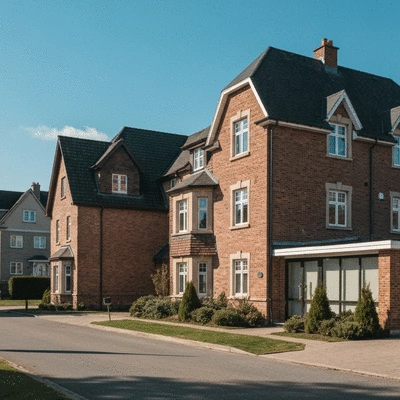
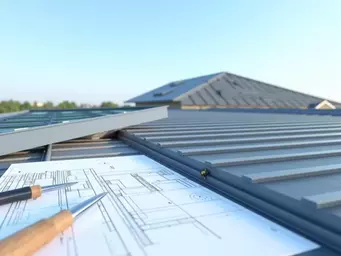
The first and most noticeable contrast lies in roof design and slope variations. Residential roofs are typically designed with a steep slope, allowing rainwater to flow off easily. This design not only enhances aesthetics but also reduces the risk of water pooling. In contrast, commercial roofs often feature flat or low-slope designs, which are practical for maximizing usable space and accommodating rooftop equipment. For more on various design choices, explore roof types every homeowner should know.
The slope of a roof significantly influences its functionality and maintenance needs. Here’s a quick look at the differences:
Understanding these designs helps not only in visualizing your roofing project but also in grasping the potential maintenance implications that come with each type.
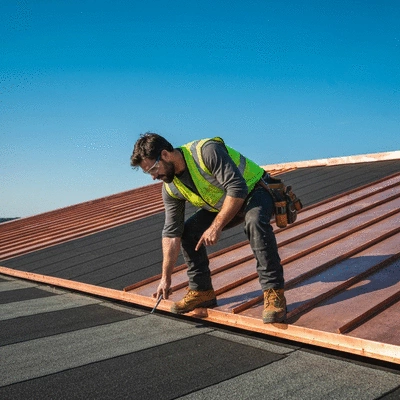
Another key difference between commercial and residential roofing lies in the materials used. Residential roofing often features materials like asphalt shingles and metal roofing, which balance aesthetics, durability, and cost. In contrast, commercial roofing typically utilizes materials such as TPO (Thermoplastic Olefin) and EPDM (Ethylene Propylene Diene Monomer) that cater to the unique demands of larger structures.
Each material has distinct benefits and drawbacks, so it’s crucial to choose wisely based on the specific needs of your project. For a deeper dive into the properties of materials like TPO and EPDM, check out our article on commercial roofing materials explained.
With the growing emphasis on sustainability, both commercial and residential buildings are increasingly adopting eco-friendly roofing solutions. For instance, green roofs not only provide insulation but also help in managing stormwater and improving air quality.
Additionally, energy-efficient roofing options, like reflective coatings or solar panels, offer long-term savings and environmental benefits. Such innovations allow both types of buildings to reduce their carbon footprint while enhancing their value.
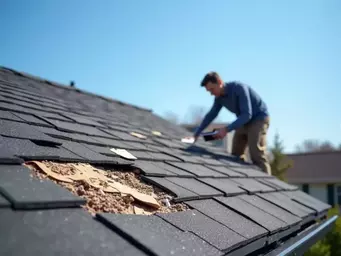
When it comes to installation and maintenance, the differences between commercial and residential roofing become even more pronounced. Understanding these can save you time and money down the road.
When selecting roofing materials, consider not just the upfront cost but also the long-term benefits. For instance, while asphalt shingles are initially cheaper, investing in metal roofing can lead to significant savings on energy bills and maintenance in the future. Always weigh the lifecycle costs to make the most informed decision for your roofing project!
When it comes to roofing, it's essential to understand the distinct differences between commercial and residential types. The key features span across design, materials, installation, maintenance, and regulations. By recognizing these differences, homeowners and property managers can make informed decisions that best suit their needs.
For instance, residential roofs often feature steep slopes and are primarily made from materials like asphalt shingles and wood. In contrast, commercial roofs typically have low slopes or are flat, made from materials like TPO and EPDM. Understanding these factors can help you choose the right roofing solution effectively.
In my experience at Roofing Explained, I’ve seen how these differences can significantly impact the lifespan and performance of a roof. Whether you're a homeowner or a contractor, understanding these factors is crucial for making the best roofing decisions. Regular roof maintenance and inspection can further extend the life of your roof.
Now that you've reviewed the differences between commercial and residential roofing, it’s time to assess your specific roofing needs. Take a moment to consider local trends and regulations that may affect your choices. Consulting with roofing professionals can provide tailored solutions that align with your requirements.
Have you thought about the long-term implications of your roofing choices? Investing in quality materials and proper installation can save you both time and money in the long run. I encourage you to dig deeper into local trends, as they can guide your decision-making process effectively!
Incorporating infographics and visual comparisons can significantly enhance your understanding of roofing materials and designs. Visual aids simplify complex concepts and make it easier to grasp the differences between various roofing types.
At Roofing Explained, we believe that the right visuals can bridge the gap between understanding and implementation. So don’t hesitate to utilize these resources as you explore your roofing options!
Expert opinions and local case studies can provide invaluable insights into your roofing decisions. By examining real-world scenarios, you can better understand the challenges and successes encountered by other homeowners and contractors.
Leveraging these insights can help you make more informed decisions about your roofing investments. Remember, knowledge is power, and the more you understand, the better equipped you'll be!
When analyzing roofing costs, several factors come into play. It's crucial to compare different roof systems and consider the importance of warranties in protecting your investment.
As you navigate your roofing choices, be sure to factor in these elements. A quality warranty can provide peace of mind and security for years to come. At Roofing Explained, we always recommend reviewing warranty options and understanding what they cover before making your final decision!
Here is a quick recap of the important points discussed in the article: