Eco-Friendly Roofing Options Today
Posted on: 2025-11-29
By: Jordan M. Knox
As the conversation around sustainability grows louder, the roofing industry is stepping up with innovative solutions. Are you aware of how eco-friendly roof types can not only enhance your home's efficiency but also contribute to a healthier planet?
What You Will Learn
- Understanding the various eco-friendly roofing materials, such as recycled shingles and solar-integrated systems.
- The significant impact of sustainable roofing on energy efficiency and utility costs.
- Key eco-labels that help identify environmentally friendly roofing products.
- The long-term benefits of investing in eco-friendly roofs for both homeowners and the environment.
The Pillars of Sustainable Roofing
Modern roofing solutions are increasingly focused on eco-friendliness. Below, we highlight the core aspects that drive the adoption and benefits of sustainable roofing, from material choices to environmental impact and economic advantages. Understanding these innovative approaches can help you make informed decisions for your next project, much like understanding various roof types every homeowner should know.
Eco-Friendly Material Types
- ✓ Recycled materials (rubber, plastic, metal)
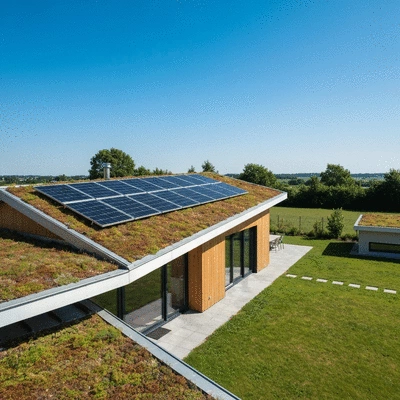
- ✓ Green roofs (vegetation support)
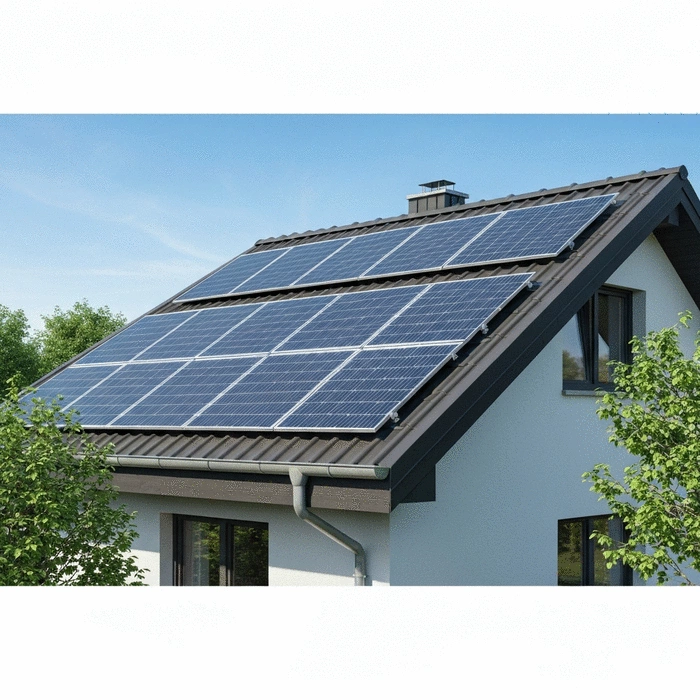
- ✓ Solar-integrated systems
Benefits of Sustainable Roofing
- ● Enhanced energy efficiency
- ● Reduced energy bills
- ● Lower environmental footprint
- ● Increased property value
Key Eco-Labels & Certifications
- ★ Energy Star: Energy efficiency
- ★ FSC: Responsibly managed wood
- ★ Cradle to Cradle: Lifecycle impact
Reasons to Invest Now
- • Increased home value
- • Long-term savings (energy/maintenance)
- • Healthier living environment
- • Positive community impact
Understanding Modern Roof Types with Eco-Friendly Features
With the growing importance of sustainability, understanding modern roof types that come with eco-friendly features is essential for homeowners and contractors alike. Eco-friendly roofing solutions not only help reduce our environmental footprint but can also lead to significant cost savings over time. In this section, we will explore what eco-friendly roofing solutions are, their importance, and the eco-labeling of roofing materials.
What are Eco-Friendly Roofing Solutions?
Eco-friendly roofing solutions encompass a variety of materials and technologies designed to minimize environmental impact. These roofs are made from sustainable resources or use innovative methods that improve energy efficiency. Examples of such solutions include recycled roofing materials, green roofs, and roofs equipped with solar panels.
- Recycled materials such as rubber, plastic, and metal
- Green roofs that support vegetation
- Solar-integrated roofing systems
By opting for eco-friendly roofing solutions, you contribute to conserving natural resources, reducing waste, and lowering energy consumption in your home.
The Importance of Sustainable Roofing in Today’s Environment
As climate change continues to pose challenges globally, the building industry is increasingly recognizing the significance of sustainable roofing. Sustainable roofs can effectively combat issues such as urban heat islands, stormwater runoff, and energy inefficiency. This is critical not just for individual homeowners but for communities and the planet as a whole. For more insights on choosing the right materials, consider exploring roofing materials pros and cons.
- Enhances energy efficiency
- Reduces greenhouse gas emissions
- Supports biodiversity in urban areas
Investing in sustainable roofing options means you’re not only enhancing your property but also doing your part to protect our environment.
Exploring Eco-Labeling in Roofing Materials
Eco-labeling helps consumers identify products that meet specific environmental standards. Roofing materials that carry eco-labels often undergo rigorous testing to ensure they are safe and sustainable. This helps you make informed choices when selecting roofing products for your home.
- Energy Star: Indicates energy-efficient products that meet strict performance standards.
- Forest Stewardship Council (FSC): Certifies that wood-based materials come from responsibly managed forests.
- Cradle to Cradle: Evaluates products based on their lifecycle and environmental impact.
Understanding eco-labeling can empower you to select roofing materials that align with your environmental values while ensuring quality and performance.
Exploring Key Eco-Friendly Roofing Materials
As we delve deeper into eco-friendly roofing, it's crucial to recognize the variety of materials available. From recycled options to innovative technologies, these materials contribute significantly to sustainability.
We Want to Hear From You!
As you consider eco-friendly roofing solutions, what features are most important to you? Is it the environmental impact, cost savings, or perhaps the aesthetic appeal? Share your thoughts below!
Summarizing the Value of Eco-Friendly Roofing Solutions
As we've explored the various modern roof types, it's clear that the shift towards eco-friendly roofing solutions is not just a trend—it's a necessary move for our planet. Adopting sustainable roofing options can greatly reduce energy consumption, lower utility bills, and enhance the overall value of your home. Have you considered how these benefits can also positively impact your community and environment?
Here are some key takeaways on modern roof types and their benefits:
- Durability: Many eco-friendly materials, like recycled shingles, boast impressive lifespans.
- Energy Efficiency: Innovations like cool roofs and solar panel integration can significantly cut energy costs.
- Environmental Impact: Green roofs and living systems contribute to biodiversity and urban green spaces.
- Financial Incentives: Various tax credits and rebates can help offset installation costs.
Investing in these roofing options is not only a wise choice for your home but also a proactive step towards a greener future. Let's think about it—by making these changes now, we can pave the way for more sustainable living for generations to come!
Encouraging Action: Why Invest in Sustainable Roofing Now?
Why wait to make a difference? The transition to sustainable roofing solutions is increasingly vital in today’s environmentally conscious world. If you’re considering a roofing project, now is the perfect time to take action. By investing in eco-friendly roofing, you're not just upgrading your home; you're also contributing to a larger movement towards sustainability.
Here are a few compelling reasons to consider:
- Increased Home Value: Properties with eco-friendly features often sell at premium prices.
- Long-term Savings: Reduced energy bills and maintenance costs over time can lead to significant savings.
- Healthier Living Environment: Eco-friendly materials can improve indoor air quality.
- Community Impact: Supporting sustainable practices can inspire others in your neighborhood to follow suit.
As we strive for a healthier planet, each small step taken towards sustainability counts. So, let’s not just talk about change—let’s embrace it!
Your Next Steps Towards Sustainable Roofing
Consulting with Professionals for Your Roofing Project
When considering a roofing upgrade, consulting with professionals is a crucial step. At Roofing Explained, we emphasize the importance of working with knowledgeable contractors who understand the latest in eco-friendly materials and techniques. A seasoned expert can guide you through your options, helping you select the best materials that fit your needs and budget. This is similar to the care needed when selecting your roofing contractor wisely for any project.
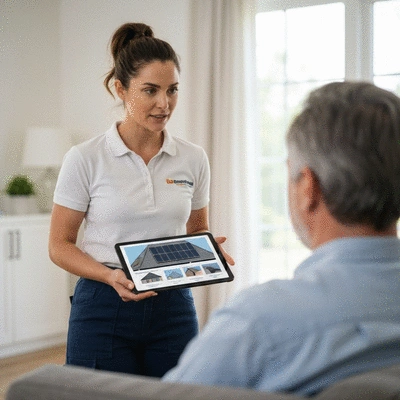
Don’t hesitate to reach out for consultations—having the right guidance can make all the difference in your roofing project!
Exploring Local Resources and Incentives for Eco-Friendly Upgrades
Local resources can significantly influence your decision-making process when considering eco-friendly roofing options. Many communities offer incentives for homeowners who choose sustainable materials. This could include tax breaks, rebates, or even grants designed to encourage eco-friendly upgrades.
Here are some tips on exploring these resources:
- Check local government websites for programs focused on energy efficiency.
- Contact local building departments to inquire about available incentives.
- Look into energy conservation programs offered by your utility provider.
These resources can provide invaluable support in making your roofing project not only sustainable but also financially viable.
Assessing Your Home's Energy Efficiency and Roof Insulation Needs
Lastly, it's essential to assess your home’s energy efficiency and roof insulation needs. A well-insulated roof can dramatically improve your home’s energy performance, reducing heating and cooling costs. Begin by evaluating your current insulation and considering upgrades that complement your new eco-friendly roofing material.
To kickstart this process, here are a few steps to consider:
- Conduct an energy audit to identify areas where heat loss may occur.
- Evaluate existing insulation levels in your attic and walls.
- Consult with professionals on the best insulation options to pair with your new roof.
By taking these steps, you'll not only enhance your home’s energy efficiency but also align your roofing choices with sustainable living practices.
Frequently Asked Questions About Eco-Friendly Roofing
- What are eco-friendly roofing solutions?
- Eco-friendly roofing solutions involve materials and technologies that minimize environmental impact, such as recycled materials (rubber, plastic, metal), green roofs (vegetation support), and solar-integrated systems designed to improve energy efficiency and reduce waste.
- Why is sustainable roofing important?
- Sustainable roofing is crucial for combating climate change by reducing urban heat islands, managing stormwater runoff, improving energy efficiency, and decreasing greenhouse gas emissions, benefiting both individual homeowners and the broader community.
- What are some key eco-labels for roofing materials?
- Key eco-labels include Energy Star, which indicates energy-efficient products; Forest Stewardship Council (FSC) for responsibly managed wood materials; and Cradle to Cradle, which evaluates products based on their lifecycle and environmental impact.
- What are the benefits of investing in eco-friendly roofs?
- Benefits include enhanced energy efficiency, reduced utility bills, a lower environmental footprint, increased property value, durability, and potential financial incentives through tax credits or rebates.
- How can I start with a sustainable roofing project?
- Begin by consulting with knowledgeable roofing professionals, exploring local resources and incentives for eco-friendly upgrades, and assessing your home's energy efficiency and insulation needs to make informed, sustainable choices.
Recap of Key Points
Here is a quick recap of the important points discussed in the article:
- Eco-Friendly Roofing Solutions: Includes recycled materials, green roofs, and solar-integrated systems that minimize environmental impact.
- Importance of Sustainable Roofing: Enhances energy efficiency, reduces greenhouse gas emissions, and supports urban biodiversity.
- Eco-Labeling: Look for certifications like Energy Star, FSC, and Cradle to Cradle to ensure sustainable product choices.
- Benefits of Eco-Friendly Roofing: Durability, energy efficiency, lower utility bills, and potential financial incentives.
- Action Steps: Consult professionals, explore local resources, and assess energy efficiency for a sustainable roofing upgrade.
 Are you prepared to navigate the complexities of roofing insurance claims after a storm? With the ri
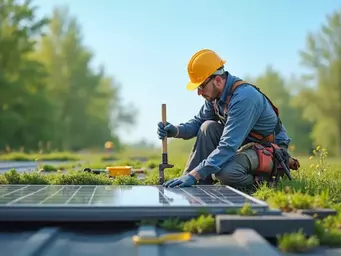 As the demand for sustainable living grows, so does the importance of eco-friendly roofing solutions
 The future of roofing is not just about protection; it's about innovation and sustainability. How ca

