What if knowing your roof type could save you thousands during your next replacement? Understanding the specifics of your roof isn’t just informative; it can significantly impact your choices, costs, and overall satisfaction with the project.
What You Will Learn
Identifying your roof type allows for better material and contractor selection, making the replacement process smoother.
Different roofing materials have unique costs and longevity, impacting your budget and long-term maintenance.
Understanding local building codes is essential for compliance, safety, and ensuring your new roof's effectiveness.
Choosing the right roofing style can enhance both the aesthetic appeal and functionality of your home.
Key Considerations for Your Roof Replacement Journey
Navigating a roof replacement requires careful planning and understanding of various factors. Below, we've outlined the critical steps and considerations to help you make informed decisions, ensuring a smooth and successful project. For more insights into planning, you can explore our guide on selecting your roofing contractor wisely.
Identify Your Roof Type & Condition
Crucial for material selection & effective contractor communication.
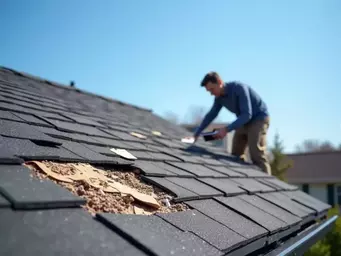
When it comes to replacing your roof, understanding the type of roof you have is crucial. Why does it matter? Identifying your roof type helps in selecting the right materials and ensuring your new roof meets your home's specific needs. Plus, knowing your roof type allows you to communicate more effectively with contractors, making the entire process smoother.
Take a moment to think about your roof. Is it sloped or flat? What material is it made from? These questions are key to making informed decisions during your roof replacement journey. Understanding your roof type sets the stage for everything else, so let’s dive deeper!
Why Identifying Your Roof Type Matters Before a Replacement
Identifying your roof type is not just a matter of curiosity; it has practical implications for the replacement project. Each roof type has unique characteristics and requirements, from installation techniques to maintenance needs. For instance, asphalt shingles are generally more cost-effective but may not last as long as metal roofs.
Material Selection: Different roofs require different materials. Knowing your roof type helps in choosing compatible options.
Cost Implications: The roof type can significantly influence the cost of materials and installation.
Permitting and Compliance: Certain roof types may have specific codes and regulations associated with them.
By understanding your roof type, you can make choices that are not only informed but also tailored to your specific situation. It’s all about setting yourself up for success! For a comprehensive look at various roofing options, check out our article on roof types every homeowner should know.
Common Roof Types Explained: Asphalt, Metal, Tile, and More
There are various roof types out there, each with its own pros and cons. Here’s a quick overview of the most common ones:
Asphalt Shingles: These are the most popular choice for residential homes due to their affordability and easy installation.
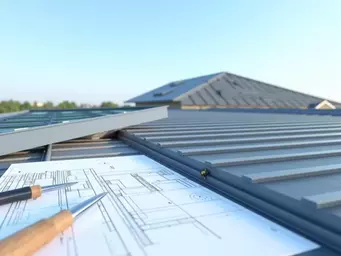
Metal Roofing: Known for its durability and energy efficiency, metal roofing is a great long-term investment.
Tile Roofing: Available in clay or concrete, tile roofs are renowned for their longevity and aesthetic appeal.
Slate Roofing: This is a premium option that offers exceptional durability but comes with a higher price tag.
Understanding the various types of roofing options available will not only help you in your current project but also empower you in future decisions. Each type has its unique advantages, so consider what matters most to you!
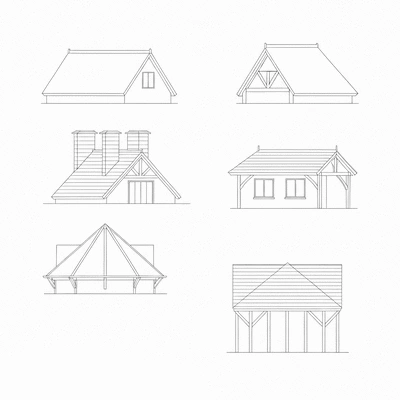
Exploring Flat, Gable, Hip, and Mansard Roof Styles
In addition to materials, roof styles play an essential role in your home's overall aesthetic and functionality. Let’s explore some common styles:
Flat Roof: A minimalist style that is often found in commercial buildings, offering easy access for maintenance.
Gable Roof: This style features two sloped sides and is great for shedding water and snow.
Hip Roof: With slopes on all sides, hip roofs provide strength and stability, making them a popular choice in high-wind areas.
Mansard Roof: A more complex style featuring slopes on all sides, this design allows for additional living space in the attic.
Choosing the right style can enhance your home's curb appeal and ensure it meets your practical needs. Take time to consider how each style aligns with your vision and requirements! For a deeper dive into the advantages and disadvantages of different roof styles, refer to our article on roof styles pros and cons.
Interactive Poll: What's Your Priority?
When considering a roof replacement, what factor do you prioritize the most? Your feedback can help others in their decision-making process!
Summarizing Your Roof Replacement Journey
As we wrap up our exploration of roof replacement, it's essential to highlight the critical steps that can guide you through this process. Understanding your roof type and its condition is the first step toward making informed decisions. Armed with this knowledge, you can navigate the complexities of planning a roof replacement with confidence!
While each roofing project may have its unique elements, there are consistent factors to keep in mind. Below, I’ve compiled some key takeaways that can help streamline your planning efforts:
Identify your roof type and assess its condition before initiating a replacement.
Consider the costs associated with different roofing materials and styles.
Choose a reputable contractor by asking pertinent questions about their experience and warranties.
Understand the local building codes that might affect your roofing project.
These points can act as a roadmap, ensuring you’re well-prepared as you move forward with your roof replacement journey.
Frequently Asked Questions About Roof Replacement
Q: Why is knowing my roof type important for a replacement?
A: Knowing your roof type is crucial because it influences material selection, installation techniques, maintenance needs, and overall cost. It also helps you communicate effectively with contractors.
Q: What are the most common roofing materials?
A: The most common materials include asphalt shingles (affordable), metal roofing (durable, energy-efficient), tile (long-lasting, aesthetic), and slate (premium, exceptional durability).
Q: How do roof styles impact my home?
A: Roof styles like flat, gable, hip, and mansard affect both the aesthetic appeal and functionality of your home, including water drainage, stability, and potential for attic living space.
Q: What should I consider when choosing a roofing contractor?
A: When choosing a contractor, you should research and shortlist potential candidates, schedule inspections, request estimates, inquire about warranties, and review their insurance coverage.
Q: Why is safety and compliance important during roof replacement?
A: Safety and compliance are vital to ensure the longevity and effectiveness of your roof, as well as to protect your investment and family. It means verifying the contractor knows local codes, ensuring materials meet safety standards, and monitoring the installation process.
Next Steps: How to Proceed with Your Roof Replacement Project
Now that you have a solid grasp of the fundamental aspects, it's time to take action! What’s your next step? Start by gathering estimates from several contractors to compare prices and services. This approach not only provides clarity on costs but also allows you to gauge the quality of work different contractors offer.
Here’s a quick checklist of next steps to consider:
Research and shortlist potential roofing contractors.
Schedule inspections to assess your roof’s current condition.
Request estimates and inquire about warranties.
Review the terms of your insurance coverage regarding roof replacements.
By following these steps, you’re setting yourself up for a successful replacement process that meets your roofing needs.
Final Considerations: Roof Safety and Compliance with Local Regulations
As you embark on this journey, never underestimate the importance of safety and legal compliance! Ensuring your new roof meets local building codes is crucial for the longevity and effectiveness of your roof, as well as your safety.
Here are some final considerations to keep in mind:
Verify that your contractor is familiar with local regulations and permits.
Ensure that materials used are compliant with safety standards.
Monitor the installation process to avoid any shortcuts that could compromise the roof's integrity.
By prioritizing safety and regulations, you’re not just protecting your investment; you’re also ensuring peace of mind for yourself and your family. If you have any questions or need guidance, don’t hesitate to reach out to us at Roofing Explained! We're here to help you every step of the way.
Recap of Key Points
Here is a quick recap of the important points discussed in the article:
Identify your roof type and assess its condition before initiating a replacement.
Consider the costs associated with different roofing materials and styles.
Choose a reputable contractor by asking pertinent questions about their experience and warranties.
Understand the local building codes that might affect your roofing project.
Research and gather estimates from multiple contractors to compare prices and services.
Your go-to resource for demystifying all aspects of roofing for homeowners, contractors, and property managers. We help you with expert insights, step-by-step guides, and cost comparisons for informed decisions.
Trusted by the roofing community, our mission is to provide reliable, easy-to-follow insights backed by over a decade of industry expertise and the latest industry standards.
Tip — Have you ever wondered what to look for during roof inspections? Inspecting your roof twice a year can save you from costly repairs down the line.
Tip — Choosing the right roofing material can feel overwhelming. Consider what matters most to you—cost, longevity, or environmental impact—and weigh these factors carefully.
Tip — Ever felt confused about what a roof replacement involves? Understanding the process, from estimates to material selection, can ease your worries.
Tip — Don't forget to factor in local building codes and climate! Engage with your contractor about these details to ensure your roof stands strong against nature's challenges.
Tip — Regular maintenance is key. Are your gutters clear? Are there any missing shingles? Small steps make a significant difference in prolonging your roof’s lifespan.