Understanding Tile, Slate, and Clay Roofs
Posted on: 2026-01-05
By: Jordan M. Knox
Are you ready to elevate your home's roofing game? The choice of materials can not only enhance curb appeal but also significantly affect durability and energy efficiency. Let’s explore the essential insights into tile, slate, and clay roofs to help you make an informed decision!
What You Will Learn
- Tile roofs can last over 50 years with proper maintenance, making them a long-term investment.
- Slate roofs are known for their unparalleled durability, often lasting over 100 years.
- Clay roofs offer excellent energy efficiency by reflecting sunlight, ideal for warmer climates.
- The weight of roofing materials can impact your home's structural integrity; consult professionals before installation.
- Regular maintenance, including inspections and cleaning, is crucial for prolonging the lifespan of your roof.
- Understanding local climate and building codes is essential in choosing the right roofing material.
Comparative Analysis of Roofing Materials
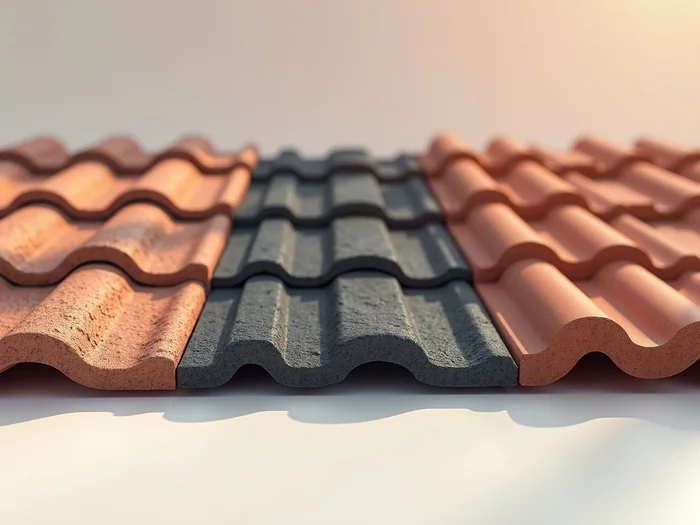
A side-by-side comparison of Tile, Slate, and Clay roofs, highlighting their longevity and weight considerations. For a broader understanding of different roofing options, explore various roof types every homeowner should know.
Longevity Comparison (Years)
Weight Considerations (psf)
Understanding Tile, Slate, and Clay Roofs: Key Benefits and Features
When it comes to roofing materials, tile, slate, and clay roofs stand out for their unique benefits and features. As a roofing expert, I know that these materials not only enhance the curb appeal of your home but also provide exceptional durability and longevity. Are you considering these options? Let’s dive deeper into what each has to offer!
Longevity and Durability of Tile, Slate, and Clay Roofs
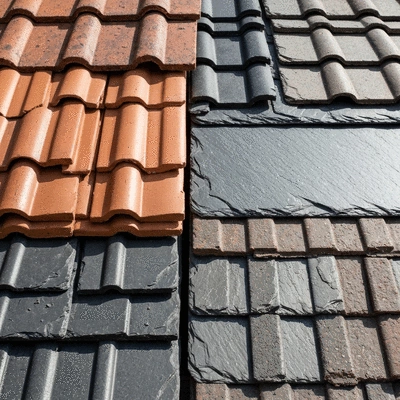
Understanding the longevity of roofing materials is essential when making a choice. Tile, slate, and clay roofs are renowned for their impressive lifespans. I often tell homeowners that investing in these materials is like investing in peace of mind!
- Tile roofs can last over 50 years with proper maintenance.
- Slate roofs may endure for 100 years or more, showcasing remarkable strength.
- Clay roofs typically offer a lifespan of 50 to 70 years, depending on conditions.
Each of these roofing types has unique benefits that make them worth considering. Now, let’s break it down further.
Why Choose Tile for Your Home?
Tile roofs are a fantastic choice for homeowners seeking both aesthetics and resilience. They are fire-resistant and capable of withstanding harsh weather conditions. Additionally, their insulating properties can help reduce energy costs, which many homeowners find appealing!
Slate Roofs: Long-lasting and Resilient
When it comes to a slate roof, the durability is simply unmatched! Engineering marvels, slate roofs resist damage from extreme weather and pests, making them an excellent long-term investment. Plus, their timeless elegance can significantly boost your property's value.
The Advantages of Clay Roofs
Clay roofs not only offer a classic look but also provide remarkable energy efficiency. They effectively reflect sunlight, which can help keep your home cooler in the summer. Homeowners in warmer climates often choose clay for its thermal performance!
Lifespan Comparison: Which Roof Type Lasts the Longest?
So, which roofing type lasts the longest? If you're after longevity, slate takes the crown! But keep in mind that factors like maintenance and local climate can influence these lifespans. It’s vital to weigh these aspects when making your decision.
Weight Considerations for Different Roofing Materials
Weight is another critical factor in choosing roofing materials. Understanding the weight per square foot (psf) of tile, slate, and clay roofs can save you from structural issues down the road.
- Tile roofs typically weigh around 900-1,000 psf.
- Slate roofs can weigh between 800-1,200 psf, depending on the type.
- Clay roofs usually come in at about 700-800 psf.
These weights can affect the structural integrity of your home, so let’s explore this further!
Understanding Weight Per Square Foot (psf) for Roofing Materials
Before installation, it's crucial to consult with a professional to assess your home's load-bearing capacity. Each roofing material's weight impacts how your home is supported, influencing the longevity and safety of your roof.
Structural Implications of Choosing Slate vs. Clay
Choosing between slate and clay isn't just about appearance. Slate, being heavier, requires a stronger structure to support its weight. Clay, while lighter, still necessitates proper evaluation of your home’s framework.
How to Assess Your Home’s Load-Bearing Capacity
To assess your home’s capacity, I recommend consulting a structural engineer or roofing professional. They will help ensure that your home can handle the weight of the roofing material you choose, preventing potential future problems!
Impact of Roof Weight on Structural Integrity
The weight of the roof affects the overall structural integrity of your home. It’s crucial to consider how this weight interacts with your home's design and existing materials. Proper evaluation can save you from costly repairs later!
Installation Tips for Tile, Slate, and Clay Roofs
Installing tile, slate, or clay roofs requires careful planning and execution. Here are some essential tips to help you along the way!
- Always prepare your roof with the right materials and tools prior to starting.
- Gather a reliable team of installers experienced with your chosen material.
- Follow manufacturer guidelines for the best results.
Let’s explore some detailed installation tips!
Preparing Your Roof: Essential Materials and Tools
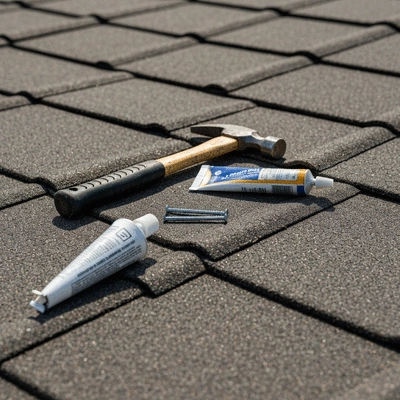
Before installation, ensure you have all necessary materials like underlayment, flashing, and fasteners. Tools such as a nail gun, roofing hammer, and safety gear are crucial for a successful installation process!
Step-by-Step Installation Guide for Tile Roofing
For tile roofing, begin with a solid underlayment, then lay the tiles starting from the bottom up. Use a staggered pattern to enhance both strength and aesthetics, ensuring that each tile is securely fastened to withstand wind and weather.
Best Practices for Installing Slate and Clay Roofs
When installing slate, always use a double underlayment for added protection. For clay, ensure proper spacing for drainage and ventilation. These best practices are vital to achieving a durable installation!
DIY Installation Considerations: Is It Right for You?
Thinking about a DIY roofing project? While it can be rewarding, I advise caution. Installing tile, slate, or clay roofs requires specific skills and safety measures. If you're unsure, it's often best to hire a professional!
Maintenance Tips to Ensure Longevity
Maintenance is key to prolonging the lifespan of your roof. Here are some valuable tips to keep your roof in great condition! Regular inspections are a vital part of roof maintenance.
- Schedule regular inspections at least twice a year.
- Clean gutters and downspouts to prevent water damage.
- Address minor repairs promptly to avoid larger issues.
By keeping up with maintenance, you can enhance your roof's durability and performance.
Regular Inspections: What to Look For
During inspections, look for signs of damage such as cracked tiles, loose slate, or debris buildup. Early detection can save you from expensive repairs later!
Common Maintenance Tasks for Different Roof Types
Each roofing type has its specific maintenance needs. Tile roofs may require caulking, while slate may need re-pointing. Clay roofs often just need regular cleaning to keep them looking great!
Regional Considerations: Adapting Maintenance for Florida Weather
In Florida's climate, it’s essential to check for mold and algae growth on roofs. Regular cleaning and preventive treatments can help maintain your roof's aesthetic and functional integrity.
Understanding the Importance of Roof Ventilation
Ventilation plays a critical role in extending your roof's life. It helps regulate temperature and moisture, reducing the risk of damage. Be sure to include proper ventilation in your roofing plans!
Comparative Analysis: Slate vs. Clay vs. Tile Roofs
Finally, let’s take a closer look at how these materials stack up against each other. This comparative analysis will help you make an informed decision!
- Cost Comparison: Installation costs can vary significantly between the three types.
- Benefits and Drawbacks: Each roof type has its unique pros and cons.
- Visual Aids: Use images or samples to visualize your options.
- Evaluating Energy Efficiency: Consider how each material impacts your energy bills.
Understanding these comparisons will guide you in choosing the best roofing solution for your home!
Frequently Asked Questions (FAQs)
Q: How long do tile, slate, and clay roofs typically last?
A: Tile roofs can last over 50 years, clay roofs typically last 50-70 years, and slate roofs are known for their exceptional durability, often lasting 100 years or more with proper maintenance.
Q: What are the main benefits of choosing a clay roof?
A: Clay roofs offer a classic aesthetic, excellent energy efficiency by reflecting sunlight, and are ideal for warmer climates due to their thermal performance.
Q: What is the importance of considering roof weight?
A: The weight of roofing materials (measured in psf - pounds per square foot) is crucial because it directly impacts your home's structural integrity. Heavier materials like slate require a stronger structural framework, so it's essential to consult a professional to assess your home's load-bearing capacity.
Q: What maintenance is required for these roof types?
A: Regular maintenance includes scheduling inspections at least twice a year, cleaning gutters and downspouts, and promptly addressing minor repairs. Specific tasks may include caulking for tile roofs, re-pointing for slate, and routine cleaning for clay roofs.
Q: Is DIY installation recommended for tile, slate, or clay roofs?
A: While DIY projects can be rewarding, installing tile, slate, or clay roofs requires specific skills, specialized tools, and strict safety measures. For such significant investments, it is generally recommended to hire experienced professionals to ensure proper installation and longevity.
Pro Tip
Did you know? Regular maintenance of your tile, slate, or clay roof can significantly extend its lifespan? Schedule inspections at least twice a year to catch any potential issues early, such as cracked tiles or loose slates. This simple practice can save you from costly repairs and ensure your roof remains in optimal condition!
Wrapping Up: Making an Informed Roofing Decision
As we conclude our discussion on tile, slate, and clay roofs, it’s essential to remember that choosing the right roofing material is a significant investment. Each option comes with its unique set of benefits, and understanding these can help you make an informed decision. Whether you're prioritizing durability, style, or maintenance requirements, ensuring your roof meets your needs is crucial!
Here are some key takeaways for homeowners considering these roofing options:
- Tile roofs are often celebrated for their longevity and aesthetic appeal.
- Slate roofs provide exceptional durability but require a strong structural framework.
- Clay roofs can enhance your home’s energy efficiency while offering a classic look.
- Evaluate your local climate and how each material will perform under those conditions.
By keeping these points in mind, you can choose a roofing solution that aligns with your home's needs and your personal preferences!
Contact Professionals for Expert Guidance and Assistance
When it comes to installing a new roof, I always recommend seeking help from professionals. Expert guidance can make a world of difference in ensuring your roofing project is executed correctly and efficiently. Here are some tips on how to find qualified roofers in your area:
- Ask for recommendations from friends, family, or neighbors who have recently had roofing work done.
- Check local online reviews and ratings to gauge the experiences of previous customers.
- Verify that the contractors are licensed and insured to protect yourself from liability.
- Request multiple estimates to ensure you’re getting a fair price and clear understanding of what services are included.
Finding a reputable contractor can save you time, money, and stress throughout the roofing process! For more details, consider reading about selecting your roofing contractor wisely.
Resources for Further Learning on Roofing Options
If you're eager to dive deeper into the world of roofing, there are numerous resources available to enhance your understanding. Consider checking out:
- Online forums and communities where homeowners discuss their experiences.
- Educational blogs and websites like Roofing Explained that offer detailed insights.
- Workshops or seminars hosted by local home improvement stores or roofing professionals.
By tapping into these resources, you can equip yourself with the knowledge you need to make the best roofing choices!
Understanding Local Building Codes and Regulations
Don’t forget to familiarize yourself with local building codes and regulations before proceeding with any roofing project. These codes can influence everything from material choices to installation practices. Here’s how you can stay informed:
- Visit your local building department’s website for updates and requirements.
- Engage with your roofing contractor to ensure compliance with all necessary codes.
- Consider consulting with a property manager or real estate expert for insights specific to your area.
Being well-informed about regulations will help ensure that your roofing project goes smoothly, without unexpected delays!
Recap of Key Points
Here is a quick recap of the important points discussed in the article:
- Tile roofs offer longevity (over 50 years) and aesthetic appeal.
- Slate roofs provide unmatched durability, lasting up to 100 years, but require a strong structural framework.
- Clay roofs enhance energy efficiency, reflecting sunlight and keeping homes cooler.
- Weight considerations are crucial; consult a professional to ensure your home can support the chosen material.
- Regular maintenance, including inspections and minor repairs, is vital for prolonging roof lifespan.
2026-02-27
Roofing Insurance Claims After Storms
 Are you prepared to navigate the complexities of roofing insurance claims after a storm? With the ri
2026-02-24
Eco-Friendly Roofing Innovations Explained
 As the demand for sustainable living grows, so does the importance of eco-friendly roofing solutions
2026-02-21
Roof Innovations and Trends for 2025
 The future of roofing is not just about protection; it's about innovation and sustainability. How ca

