Advancements in Roofing Technology
Posted on: 2025-12-17
By: Jordan M. Knox
The world of roofing is changing rapidly, with innovative technologies making a significant impact on how we think about our roofs. From solar shingles that harness the sun's energy to drones that enhance safety during inspections, these advancements present homeowners with exciting opportunities. Are you ready to explore the future of roofing technology?
What You Will Learn
- Solar shingles integrate photovoltaic technology into traditional roofing, providing energy efficiency and aesthetic appeal.
- Using drones for roof inspections enhances safety and efficiency, allowing for quicker project turnaround times.
- Heated roof systems prevent ice dams and reduce winter maintenance, protecting your investment and enhancing safety.
- Tesla's Solar Roof offers a sleek design combined with advanced energy management, changing the landscape of solar roofing.
- Comparing different roofing technologies helps homeowners make informed decisions based on costs, longevity, and benefits.
Key Innovations in Roofing Technology
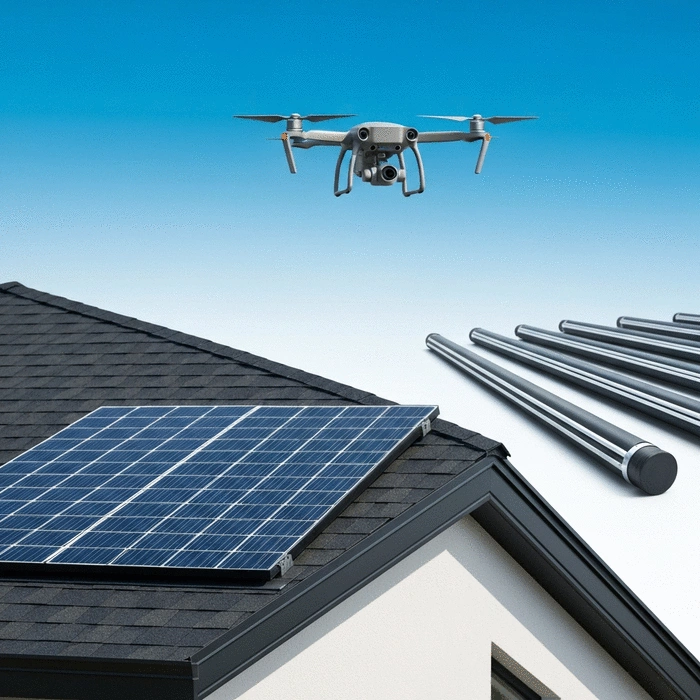
This visual highlights the core benefits and comparisons of three major innovations revolutionizing the roofing industry. For those considering a roof replacement, understanding these options can significantly influence your decision, much like exploring different roof types every homeowner should know.
Solar Shingles: Integrated Energy & Aesthetics
Key Benefit: Generate electricity, reduce reliance on grid.
- ✓ Seamless appearance, maintains curb appeal.
- ✓ Offsets energy costs, long-term savings.
- ✓ Reduces carbon footprint (renewable energy).
Drone Inspections: Safety, Efficiency & Data
Key Benefit: Enhance safety, speed up inspections, precise data.
- ✓ Minimizes physical presence, reduces accident risks.
- ✓ Faster completion, quicker project turnaround.
- ✓ High-resolution images for accurate assessments.
Heated Roof Systems: Ice Dam Prevention
Key Benefit: Prevent ice dams, improve home maintenance.
- ✓ Prevents leaks and structural damage from ice.
- ✓ Reduced manual snow removal, enhances safety.
- ✓ Less wear/tear on materials from heavy snow loads.
Next Steps: Informed Decision-Making
Action: Evaluate needs, research options, consult professionals.
- ✓ Research solar shingle compatibility.
- ✓ Contact local contractors for drone inspection services.
- ✓ Explore heated roof systems for climate conditions.
Understanding the Latest Innovations in Roofing Technology
In the ever-evolving world of roofing, staying updated on the latest innovations is essential for homeowners, contractors, and property managers alike. At Roofing Explained, I am passionate about simplifying these advancements so you can make informed decisions. Here's a closer look at some of the most exciting developments in roofing technology today!
From solar shingles to drones, these innovations not only enhance the functionality of roofs but also improve energy efficiency and safety. Let's dive into each of these technologies and see how they can benefit you!
What Are Solar Shingles and How Do They Work?
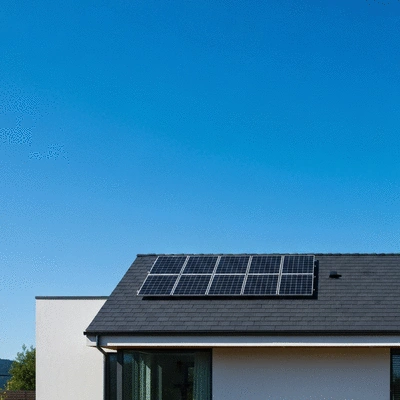
Solar shingles are a revolutionary roofing option that integrates photovoltaic technology directly into the roofing material. Essentially, they are designed to look like traditional shingles while generating electricity from sunlight. By converting sunlight into energy, solar shingles allow homeowners to reduce their reliance on grid electricity, making roofs both functional and eco-friendly!
- Appearance: Solar shingles blend seamlessly with traditional roofing, maintaining curb appeal.
- Energy Production: They generate power that can offset energy costs, often resulting in significant savings.
- Environmental Impact: Using renewable energy sources reduces your carbon footprint.
With the technological advancements in solar shingles, many homeowners are considering them as a viable option for new roof installations or replacements.
Benefits of Solar Shingles for Homeowners
There are numerous benefits of solar shingles for homeowners that go beyond aesthetics. They offer a unique combination of energy efficiency and resilience, making them a smart investment. Here are some key advantages:
- Lower utility bills due to energy generation.
- Potential tax credits and incentives for renewable energy.
- Increased home value and marketability.
By opting for solar shingles, you not only contribute to a greener planet but also enjoy long-term savings on your energy expenses!
Comparing Solar Shingles with Traditional Roofing Options
When comparing solar shingles to traditional roofing materials, it's crucial to consider factors like cost, lifespan, and maintenance. While traditional roofing options may appear more affordable initially, the long-term savings from solar shingles can outweigh these upfront costs.
- Cost: Solar shingles might have a higher installation cost, but they generate savings over time.
- Lifespan: Many solar shingles come with warranties of 25 years or more, similar to traditional roofs.
- Maintenance: They require similar maintenance to traditional roofs, with additional benefits of energy production.
Ultimately, the choice comes down to your specific needs and goals as a homeowner. Consider what matters most to you when making this important decision!
Exploring Tesla Solar Roof: A Game Changer in Solar Shingle Technology
The Tesla Solar Roof is an industry disruptor, merging cutting-edge technology with sleek design. It offers homeowners an aesthetically pleasing alternative to traditional solar panels while delivering high energy efficiency. Tesla’s innovative approach has captured the attention of many, making it a noteworthy option in the solar roofing market.
- Aesthetic Appeal: The shingles come in various styles that mimic traditional roofing materials.
- Durability: Made from tempered glass, these shingles are designed to withstand harsh weather.
- Energy Management: The integrated Powerwall system stores excess energy for later use.
As I continue to explore the advancements in roofing technology, I encourage you to consider the impact of solar roofs on both your home and the environment.
Advancements in Drone Technology for Roof Inspections
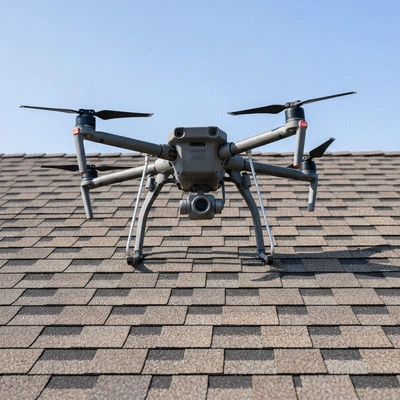
Drone technology has revolutionized the way we perform roof inspections, enhancing both safety and efficiency. By utilizing drones, contractors can easily access hard-to-reach areas without the risks associated with ladders and scaffolding. This innovation not only saves time but also provides a comprehensive view of the roof’s condition, making it a key component of a thorough roof inspection process.
- Safety: Drones minimize the need for physical presence on roofs, reducing accident risks.
- Efficiency: Inspections can be completed faster, leading to quicker project turnaround times.
- Data Collection: Drones collect high-resolution images and data for accurate assessments.
As a roofing expert, I find this technology incredibly beneficial for both contractors and homeowners, ensuring that inspections are thorough and precise.
How Drones Enhance Safety and Efficiency in Roofing Projects
Using drones for roofing inspections not only improves safety but also enhances overall efficiency. Traditional methods often involve multiple personnel and equipment, which can slow down the process. With drones, a single operator can conduct a detailed inspection in a fraction of the time.
- Reduced labor costs by minimizing the need for multiple workers.
- Faster data analysis leading to quicker decision-making.
- Comprehensive reports generated easily from drone footage.
By embracing drone technology, the roofing industry is evolving, making projects safer and more efficient—benefits that are reflected in reduced costs for homeowners!
Cost Savings and Time Benefits of Using Drones for Roof Inspections
The implementation of drones in roofing inspections leads to considerable cost savings and time efficiencies. Homeowners gain quicker insights into their roof's condition without the hefty price tag associated with traditional inspections.
- Initial investment in drone technology can lead to long-term savings.
- Elimination of scaffolding and ladders minimizes equipment rental costs.
- Faster inspections mean less disruption to your daily routine.
As I work with various contractors, I see firsthand how valuable these savings can be for homeowners undertaking repairs or renovations.
Utilizing Remote Roofing Inspections and Aerial Surveying with Drones
With remote roofing inspections, homeowners can enjoy the convenience of monitoring their roofs without needing to be physically present. Drones equipped with cameras and sensors allow for aerial surveying, delivering high-resolution images that offer a detailed view of the roof's state.
- Remote access to inspection data provides peace of mind.
- Increased transparency in the inspection process.
- Ability to share live feeds with homeowners during inspections.
This approach not only keeps homeowners informed but also fosters trust between contractors and clients, ensuring that everyone is on the same page.
Exploring Heated Roof Systems and Their Impact on Home Maintenance
Heated roof systems are gaining popularity for their ability to prevent ice dams and improve home maintenance during winter months. By employing a network of heating cables, these systems keep your roof clear of ice and snow buildup, which can lead to costly damage if left untreated.
- Prevention of ice dams that can cause leaks and structural damage.
- Reduced need for manual snow removal, enhancing safety.
- Less wear and tear on roofing materials from heavy snow loads.
As a roofing expert, I believe that heated roof systems can significantly ease the burden of winter maintenance for homeowners!
Advantages of Heated Roof Systems in Preventing Ice Dams
One of the primary advantages of heated roof systems is their effectiveness in preventing ice dams. Ice dams form when melting snow runs down a roof and refreezes at the eaves, causing water backup. Heated systems help to mitigate this issue, protecting your roofing investment.
- Improved longevity of roofing materials.
- Fewer maintenance costs associated with roof damage.
- Enhanced safety by reducing the risk of falling icicles.
Having a heated roof system is a proactive approach to winter maintenance, and it’s something I recommend for homeowners in colder climates!
Integration of IoT Technology in Heated Roof Systems
Integrating Internet of Things (IoT) technology in heated roof systems allows homeowners to monitor and control their heating systems remotely. By using smart technology, you can ensure that your roof remains free of ice and snow without having to manually adjust settings.
- Remote monitoring provides real-time status updates.
- Automated controls optimize energy usage.
- Alerts can notify homeowners of potential issues.
This level of control not only improves convenience but also enhances energy efficiency, making it a win-win for homeowners.
Comparing Different Heated Roof Systems for Efficiency
With various heated roof systems available, it’s essential to compare their efficiency and effectiveness. Some systems utilize electric cables, while others employ hydronic heating methods. Each option has its pros and cons depending on your specific needs.
- Electric Systems: Easier to install and control but can be costlier to operate.
- Hydronic Systems: More energy-efficient over time but require a more complex installation process.
- Hybrid Systems: Combine both technologies for optimal performance.
When considering a heated roof system, I encourage homeowners to evaluate their unique circumstances—energy costs, climate, and personal preferences will all play a role in choosing the best option!
Pro Tip
When considering the installation of solar shingles or heated roof systems, always consult with a roofing expert to evaluate your specific home needs. They can provide insights into the best materials and technologies suited for your location, ensuring optimal performance and energy efficiency.
Frequently Asked Questions About Roofing Technology
Here are some common questions about the latest innovations in roofing technology:
- Q: What are the main benefits of installing solar shingles?
- A: Solar shingles offer seamless aesthetics, generate electricity to reduce energy costs, and help lower your carbon footprint by using renewable energy.
- Q: How do drones improve roof inspections?
- A: Drones enhance safety by minimizing the need for manual roof access, speed up inspection times, and provide high-resolution images for accurate data collection and assessment.
- Q: What is the primary purpose of heated roof systems?
- A: Heated roof systems are designed to prevent ice dams, which can cause leaks and structural damage, thereby improving home maintenance in winter conditions and protecting your roofing investment.
- Q: Is the Tesla Solar Roof different from other solar shingles?
- A: Yes, the Tesla Solar Roof distinguishes itself with its sleek design, enhanced durability using tempered glass, and integrated energy management system (Powerwall) for storing excess energy.
- Q: What should homeowners consider when choosing a new roofing technology?
- A: Homeowners should evaluate their specific needs, research options like solar shingle compatibility and heated roof systems for their climate, and consult with professionals to make informed decisions based on costs, longevity, and overall benefits.
Final Thoughts on Innovations in Roofing Technology
As we wrap up our discussion on the latest in roofing technology, it’s clear that the advancements in solar shingles, drone inspections, and heated roofs are truly game changers. These innovations not only enhance the functionality of your roof but also contribute to energy efficiency and overall home maintenance. Are you excited about the potential these technologies hold for your home?
To summarize, solar shingles provide homeowners with an eco-friendly energy source while maintaining the aesthetics of traditional roofs. Drones revolutionize the way we conduct inspections, offering a safe and efficient alternative. Plus, heated roofs can save you from the headaches of ice dams during harsh winters. Each of these technologies brings unique benefits that can significantly improve your roofing experience.
Summarizing the Benefits of Solar Shingles, Drones, and Heated Roofs
- Solar Shingles: Enhance energy efficiency and reduce electricity costs.
- Drones: Improve safety during inspections and provide comprehensive aerial views.
- Heated Roofs: Prevent ice dam formation, reducing maintenance worries in winter.
Each of these innovations plays a crucial role in modernizing roofs and helping homeowners make informed decisions. At Roofing Explained, my goal is to keep you informed about these advancements so you can take advantage of their benefits!
Next Steps for Homeowners Interested in Upgrading Their Roofs
If you’re considering upgrading your roof with these innovative technologies, start by evaluating your current roof’s condition and your specific needs. Ask yourself: What do I want to achieve with my new roof? Is energy efficiency a top priority, or are aesthetic considerations more important? Learning about roof maintenance inspection guide can also help you assess your current roof's health.
- Research various options for solar shingles and their compatibility with your home.
- Contact local contractors to discuss drone inspection services and pricing.
- Explore heated roof systems that fit your regional climate conditions.
Once you’ve gathered enough information, reach out to trusted professionals to schedule consultations. Remember, having a knowledgeable contractor by your side can make all the difference in successfully implementing these roofing innovations.
Join the Conversation: Share Your Experiences with Roofing Innovations
Have you recently upgraded your roof with any of these innovative technologies? I'd love to hear about your experiences! Engaging in discussions can help others navigate their roofing journey. Share your stories and insights with friends, family, and community forums.
How to Stay Updated on the Latest Roofing Trends
To keep up with the ever-evolving roofing landscape, consider subscribing to industry newsletters, following reputable blogs like Roofing Explained, and attending local home improvement expos. These resources can provide you with valuable insights and updates on new products and technologies.
- Sign up for newsletters from roofing manufacturers.
- Follow industry experts on social media platforms.
- Participate in webinars focused on roofing innovations.
Connect with Industry Experts and Resources for Further Learning
Networking with industry experts can also enhance your understanding of roofing innovations. Reach out to local contractors, attend community workshops, and connect with vendors who specialize in modern roofing technologies. You’ll find that many industry professionals are eager to share their knowledge and experience! Plus, understanding how to select your roofing contractor wisely is crucial for any successful project.
At Roofing Explained, I’m dedicated to providing you with accurate and comprehensive information. Together, let's explore and embrace the exciting advancements in roofing technology for a better, more energy-efficient home!
Recap of Key Points
Here is a quick recap of the important points discussed in the article:
- Solar Shingles: Provide an eco-friendly energy source and blend seamlessly with traditional roofing.
- Drones: Enhance safety and efficiency in roof inspections, allowing for quicker and more thorough assessments.
- Heated Roof Systems: Prevent ice dams and reduce winter maintenance concerns, making them ideal for colder climates.
- Cost Considerations: While initial costs may be higher for solar shingles and heated systems, long-term savings on energy and maintenance can offset these expenses.
- Integration of Technology: The use of IoT and drone technology marks a significant advancement in the roofing industry, improving convenience and data collection.
 Are you prepared to navigate the complexities of roofing insurance claims after a storm? With the ri
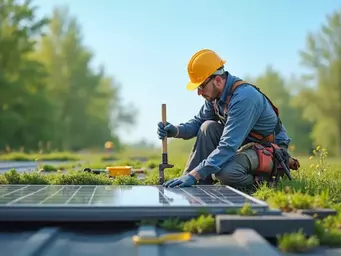 As the demand for sustainable living grows, so does the importance of eco-friendly roofing solutions
 The future of roofing is not just about protection; it's about innovation and sustainability. How ca

