Key Drivers of Change (Current)
- •Consumer Demand (durability, aesthetics, energy-efficiency)
- •Environmental Regulations (sustainability)
- •Technological Advancements (accessibility, affordability)
- •Workforce Training (adoption of new methods)
Get Jordan M. Knox's latest insights on roofing materials, maintenance, and expert tips delivered directly to your inbox. Stay ahead of the curve!
Posted on: 2026-01-03
By: Jordan M. Knox
As we anticipate the future of roofing, one cannot help but recognize the pivotal role technology plays in shaping the industry. The innovations emerging in 2025 are not just trends; they are the foundation for a more efficient and sustainable roofing landscape.
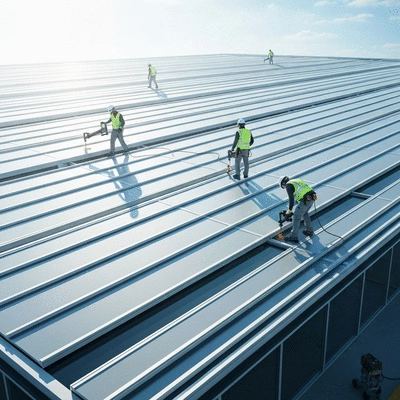
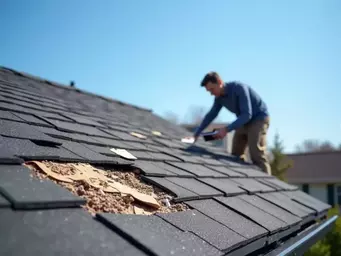
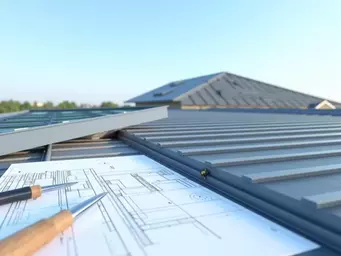
The roofing industry is undergoing significant transformation, driven by evolving demands and technological advancements. This visual highlights the core factors propelling these changes and predicts future innovations. For a deeper dive into how technology is reshaping the industry, explore advancements in roofing technology.
As we step into 2025, the roofing industry is embracing cutting-edge technologies that are transforming how we approach roofing projects. At Roofing Explained, we believe understanding these trends is essential for homeowners, contractors, and property managers to stay competitive and informed. From advanced tools to innovative materials, let’s dive into the innovations reshaping the roofing landscape.
Why should you care about these advancements? Because they not only enhance efficiency but also improve the overall quality and longevity of roofing systems. Innovations can save time and reduce costs—essential factors for anyone involved in roofing!
The tools we use in roofing play a crucial role in our daily operations. By upgrading to the latest technologies, contractors can significantly enhance their workflow and the quality of their work. Here are a few reasons why these advancements matter:
At Roofing Explained, I've witnessed firsthand how adopting new technologies can lead to greater customer satisfaction through improved service delivery. To learn more about selecting the right equipment for your DIY projects, check out our guide on choosing roofing tools for DIY repair.
Several factors are driving the evolution of roofing technologies, each contributing to a more dynamic and responsive industry. Here are some key drivers of this change:
Staying informed about these drivers allows us to anticipate changes and adapt our strategies accordingly. So, whether you’re a homeowner or a contractor, embracing these trends can lead to better decision-making in your roofing projects!
To maximize the benefits of roofing technology, consider investing in ongoing training for your team. Regular workshops and training sessions on new tools and techniques can significantly enhance productivity and quality, ensuring that your business stays ahead in this rapidly evolving industry.
As we venture into a future that holds endless possibilities, the roofing industry is poised for continuous evolution. The innovations we’ve observed in 2025 are just the beginning! At Roofing Explained, we’re excited to share some predictions for what the future holds in roofing technology.
Looking ahead to 2026, several trends are expected to emerge in roofing tools. Here are a few key innovations that will likely shape the industry:
These innovations will not only enhance the efficiency of roofing projects but also contribute to better environmental practices in the industry.
Adopting modern roofing technologies may seem daunting, but the long-term benefits are undeniable. Here are some of the advantages that homeowners and contractors can expect:
These benefits underscore the importance of embracing roofing technology as we move forward. It's about investing in the future of our homes and communities!
Virtual and augmented reality technologies are set to revolutionize the way we approach roofing design. Imagine being able to visualize your roof in real-time before any installation begins. This capability can empower homeowners to make informed decisions about design and materials.
As Roofing Explained continues to explore these technologies, we foresee several exciting applications:
These technologies not only enhance the design process but also foster collaboration between homeowners and roofing professionals, creating a more seamless experience.
As we stand on the brink of these technological advancements, it is essential for both homeowners and contractors to stay informed and open-minded. Embracing new tools and innovations can lead to significant improvements in the roofing industry.
Are you wondering how to implement these innovations in your roofing business? Start small! Here are some steps to get you started:
These steps will help you gradually integrate technology while minimizing disruption and maximizing benefits.
At Roofing Explained, we believe in the power of community. Sharing experiences and feedback on these innovations can foster growth and improvement within the industry. Don’t hesitate to connect with others and share your insights!
Finally, staying updated on market trends is crucial. Regularly check industry publications, attend trade shows, and engage with online forums. This knowledge will not only keep you ahead of the curve but also position you as a trusted resource in the roofing community. For practical advice on maintaining your roof and staying up-to-date, read our roof maintenance inspection guide.
A: Key drivers include increasing consumer demand for durable and energy-efficient solutions, stricter environmental regulations promoting sustainability, continuous technological advancements making innovations more accessible, and improved workforce training programs.
A: Predicted innovations for 2026 include advanced AI algorithms for material and design suggestions, enhanced drones for precise inspections, modular roofing systems for easier installation, and biodegradable materials that offer both durability and eco-benefits.
A: Benefits include cost savings due to improved efficiency, increased roof lifespan from innovative materials, enhanced safety on job sites through automation, and improved aesthetics with greater customization options.
A: VR and AR will revolutionize design by enabling interactive 3D models for homeowners to visualize their roofs, allowing contractors to use AR for precise on-site measurements, and offering design simulations to test material performance under various conditions, fostering better collaboration.
A: Start by researching tools aligned with business goals, investing in training for your team, and testing new tools on smaller projects to assess their effectiveness and feasibility. This approach minimizes disruption while maximizing benefits.
Here is a quick recap of the important points discussed in the article: